.png)
Surge in Producer Price Index Signals Economic Shifts in 2023
- Aug 16, 2025
- 2 min read
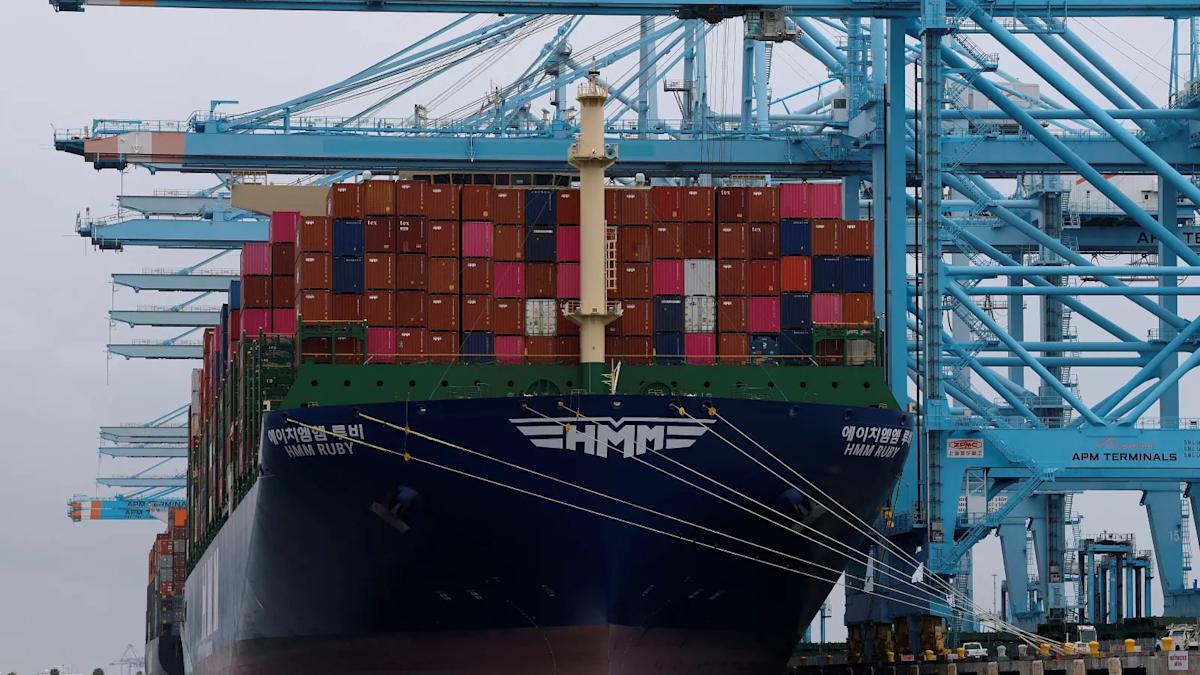
The latest data from the Bureau of Labor Statistics indicates a notable surge in the producer price index (PPI), reaching its highest rate in three years. This increase comes as tariff impacts from the highest levels seen since the 1930s begin to exert pressure on supply chains. Recent Trends in Producer Prices In July, the PPI climbed by 0.9%, exceeding expectations, and recorded a 3.3% rise year-over-year, as reported by the BLS. Tariff Impacts and Supply Chain Dynamics Alberto Musalem, President of the St. Louis Federal Reserve Bank, noted, “Now, tariffs are feeding through” the supply chain from wholesalers to retailers. He emphasized that companies forecast it would take approximately three to six months to pass the costs of increased import duties onto consumers, which aligns with the current timeframe of about three months. Employment Trends Amid Inflation Simultaneously, the job market has exhibited signs of weakness, with the three-month average for payroll additions dropping significantly from 127,000 (February through April) to just 35,000 in recent months. Core inflation, which excludes food and energy prices, also saw an increase of 3.1% annually last month, following a 2.9% uptick in June. The surge in costs can be traced back to rising service charges, particularly in transportation and medical care, confirmed the BLS. Policy Implications for the Federal Reserve According to Musalem, inflation remains approximately one percentage point above the Federal Reserve's long-term target of 2%. He stated, “It’s going to take another two to three quarters for tariffs to play through” the price pressure data. While he anticipates a gradual impact fading over time, he acknowledged that some persistence may remain, necessitating careful monitoring. The Federal Reserve faces a dual challenge: managing inflation—currently above the target—and avoiding further deterioration in the labor market. Musalem remarked, “You have to balance the labor-market side and the inflation side of the mandate,” while expressing uncertainty about adjustments to the federal interest rate in the upcoming monetary policy meeting. Market Expectations and Future Outlook Market analysts are signaling that the Fed is likely to prioritize labor market stability. Interest rate futures traders currently estimate a 93% probability that the Federal Reserve will reduce borrowing costs by a quarter percentage point in the policy meeting scheduled for September 16-17, as indicated by the CME FedWatch Tool. Additionally, Atlanta Fed President Raphael Bostic advised caution, recommending that officials should take sufficient time to evaluate upcoming data before making alterations to the federal funds rate. Bostic highlighted past instances of erratic Federal Reserve decisions, asserting that "some of the worst moments for Fed policy" stem from rapid changes in direction. With the unemployment rate remaining low at 4.2%, Bostic believes that the current state of the labor market allows policymakers the “luxury” to deliberate carefully, stressing the strength of the labor market compared to the pressures on inflation. He concluded, “I feel we have some space now.” Recommended Reading <a href="https://www.cfodive.com/news/retail-sales-exceed-forecasts-underscoring-solid-2024-economic-growth-federal-reserve-fed/730202/?utm_campaign=Yahoo-Licensed-Content-rrlytics&utm_source=yahoo&utm_medium=new