.png)
US-Imposed 50% Tariff on Indian Goods Escalates Trade Tensions
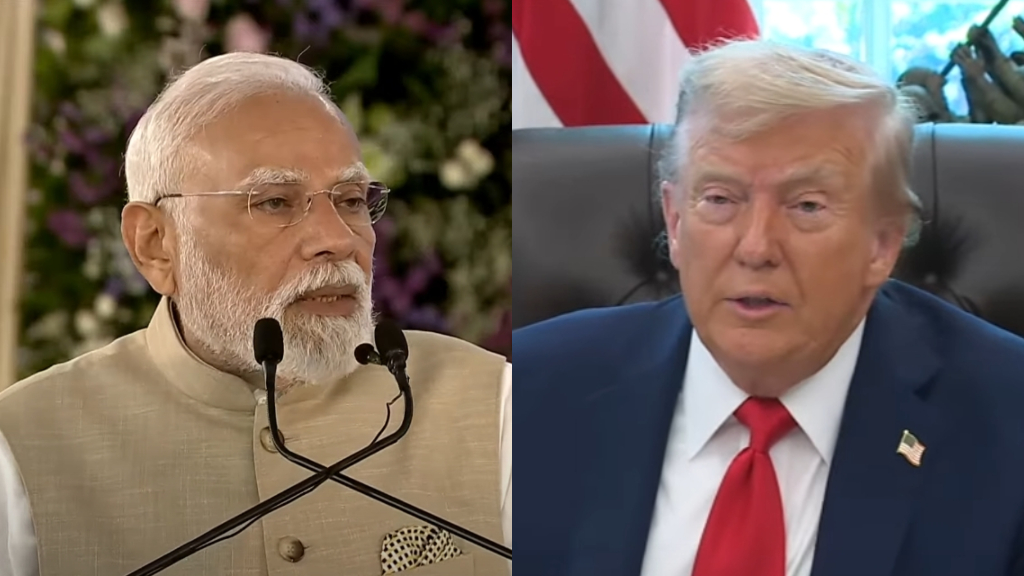
The recent imposition of a 50% tariff on Indian goods by the United States has further strained the increasingly intricate trade relations between India and the U.S. This tariff, effective Wednesday, marks a significant escalation in an ongoing trade dispute, largely fueled by India’s ongoing purchases of Russian oil amidst geopolitical tensions.
Current Trade Situation: The newly enacted tariff imposes an additional 25% duty on top of a previous 25% levy introduced in July, covering over 55% of India’s $87.4 billion in annual exports to the U.S. Sectors such as textiles and jewelry are expected to suffer greatly, with projections indicating a potential 70% decline in shipments as American businesses redirect their sourcing to countries like Bangladesh and Vietnam. Notably, the pharmaceutical sector, which contributes about $8.7 billion to U.S. sales and provides nearly half of the country’s generic drugs, is exempt from these heightened tariffs.
Economists anticipate that these tariffs could result in the loss of up to 2 million jobs in India, potentially causing U.S.-bound exports to drop by as much as $37 billion within the current fiscal year.
Impact and Repercussions: The U.S. Department of Commerce’s decision to implement these tariffs follows the unsuccessful conclusion of bilateral trade discussions. After five rounds of negotiations did not yield an agreement, American officials have indefinitely postponed a planned visit to India, emphasizing the deteriorating ties between the two nations.
Tensions have heightened due to remarks made by White House adviser Peter Navarro, who referred to the Ukraine conflict as “Modi’s war” during an interview with Bloomberg. He insisted that the path to peace involves India’s engagement, which critics in India have labeled as arrogance. Indian officials have countered, asserting their right to secure energy resources from any country that suits their needs, as emphasized by junior foreign minister Kirti Vardhan Singh: “Our concern is our energy security, and we will continue to purchase energy sources from whichever country benefits us.”
Strategic Adjustments: In light of these tariffs and diplomatic tensions, India appears to be reevaluating its strategic partnerships. Prime Minister Narendra Modi’s upcoming visit to China, his first in seven years, underscores a potential pivot away from reliance on U.S. trade. Additionally, India's imports of Russian oil have surged from less than 2% to 35-40% of its energy needs since the beginning of the Ukraine conflict, altering its traditional alliances.
Despite these developments, some U.S. officials remain optimistic about the possibility of improved relations. Treasury Secretary Scott Bessent has expressed hope for a return to cooperative discussions, stating, “I think at the end of the day we will come together,” during an interview with Fox Business.