.png)
US Financial Landscape Shifts: Trump's $2,000 Stimulus Proposal
- Small Town Truth

- Nov 17
- 3 min read
The financial landscape in the United States is witnessing impressive developments as we approach the conclusion of 2025. Both the S&P 500 and the Dow Jones Industrial Average have not only recovered from previous struggles but are also celebrating unprecedented highs. These gains come despite challenges such as rising unemployment rates and a recent government shutdown.
Trump's Proposed Stimulus Payment
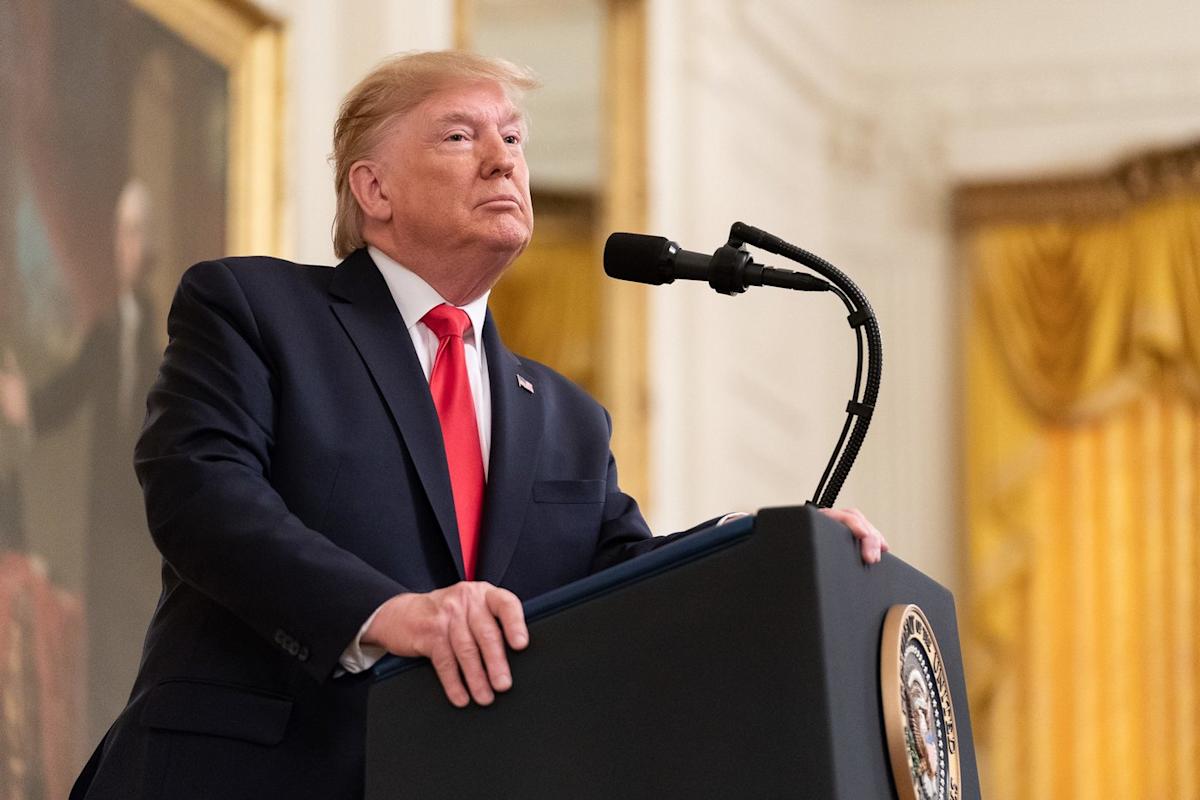
In a recent announcement via Truth Social, former President Donald Trump proposed a stimulus plan aimed at providing at least $2,000 directly to qualifying taxpayers, explicitly excluding high earners. This proposal is intended to be funded through tariff revenues, aiming to invigorate economic activity at a time when many Americans may need additional financial support.
Economic Context
The announcement has sparked interest and speculation about its potential impact. The S&P 500, Dow Jones, and Nasdaq Composite have achieved remarkable yearly performance, standing at all-time highs despite the backdrop of a climbing unemployment rate and increasing inflation pressures. The recent conclusion of the extended government shutdown adds another layer of complexity to the economy.
Potential Risks to the Economy
While the idea of providing taxpayers with a $2,000 stimulus may appear attractive on the surface, experts caution that such a move could carry significant economic risks. Concerns revolve around whether the revenue generated from tariffs will suffice to cover the proposed payments, especially given that tariff revenue totaled approximately $195 billion during the last fiscal year.
Fiscal analyses suggest that, over the next decade, tariff collections could approach $200 billion annually. However, the cost of fulfilling Trump's stimulus initiative may exceed available tariff funds, creating a budgetary shortfall.
Inflation and Long-term Effects
Another critical concern tied to the stimulus proposal is the potential for reigniting inflation, which remains a pressing issue following significant increases in the money supply during the pandemic. A study from the Federal Reserve Bank of St. Louis indicated that fiscal measures taken during the pandemic drove inflation up by approximately 2.6 percentage points. A similar inflationary spike could occur if Trump’s stimulus plan is enacted without addressing systemic economic factors.
Moreover, while the immediate effect of such stimulus checks could be an economic uplift, the longer-term implications may be troubling. Stimulus often leads to temporary boosts in economic activity; however, once the funds are depleted, a regression to previous economic conditions could ensue, potentially creating a situation characterized by stagnant growth and rising inflation—often referred to as stagflation.
National Debt Concerns
In addition to inflation and economic growth concerns, Trump's proposal raises questions regarding America's national debt. The current trajectory of both federal deficits and national debt levels presents a dire situation, as reliance on tariff revenues to fund stimulus payments could worsen an already precarious fiscal environment.
As discussions around Trump’s stimulus proposal continue, it remains crucial for policymakers and economic analysts to consider not only the short-term benefits but also the possible long-term complications inherent in such a significant financial intervention.
Stock Market Insights
For investors reflecting on the robust performance of stock indices, it may be wise to consider other investment opportunities. Analysts have identified stocks with higher potential that may outperform established indices like the S&P 500. Identifying robust alternatives can provide enhanced returns separate from the broader market trends.
For more detailed insights on alternative investment opportunities, you can refer to the analysis available here.