.png)
US-China Trade Talks: A Critical Meeting to Preserve Fragile Truce
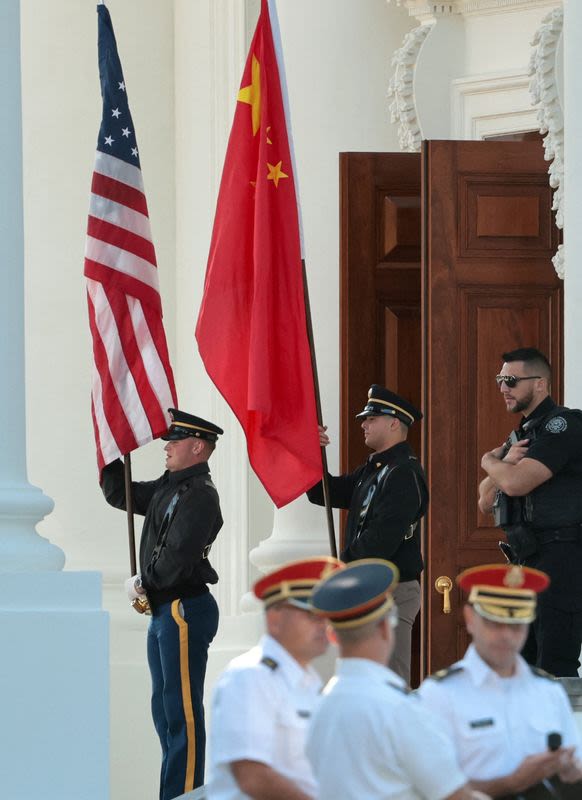
As the shadows of the US-China trade war continue to linger, Chinese leader Xi Jinping is visiting the White House to meet with US President Donald Trump. This meeting, scheduled for Thursday, seeks to preserve a delicate trade truce that is set to expire in November, a crucial moment for both economies.
A retrospective look at pivotal events in the ongoing trade conflict reveals a timeline of escalating tensions and efforts at resolution:
February 2025: Trump makes headlines with the introduction of a 10% tariff on Chinese imports, ignited by concerns over fentanyl trafficking and immigration. In retaliation, China imposes its own tariffs on a range of US products, including coal and autos.
March 2025: The US escalates the situation by doubling the tariffs on fentanyl-related goods to 20%, prompting China to respond with tariffs between 10% and 15% on US agricultural exports.
April 2025: In a bold move, Trump launches sweeping "Liberation Day" tariffs of 34% specifically on Chinese imports, effective from April 9. This action sparks a rapid escalation in tariffs from both nations, with US rates reaching as high as 125% and similar responses from China.
May 2025: After extensive negotiations in Geneva, both nations agree to a temporary 90-day pause in tariff increases, which is later extended. This results in a significant reduction of US tariffs from 145% to 30%, while China lowers its rates from 125% to 10%.
October 2025: China implements stricter controls on rare-earth exports, leading Trump to respond with a 100% tariff on additional goods and export controls on critical technology.
October 2025: Following negotiations in South Korea, a trade truce is reached, in which Trump agrees to reduce tariffs as China commits to addressing fentanyl issues and resuming soybean purchases.
February 2026: The US Supreme Court rules against Trump's emergency tariffs, leading to the repeal of tariffs on Chinese fentanyl and the associated reciprocal tariffs. Trump then imposes a temporary global duty at 10% under a different statute.
May 2026: Trump's visit to Beijing results in the announcement of new trade boards and commitments from China for Boeing jet and agricultural purchases.
July 2026: New tariffs of 12.5% are applied on imports from 60 countries, including China, alleging failure to combat forced labor in manufacturing.
September 2026: With the upcoming meeting on September 24, expectations remain tempered regarding major developments, yet the eyes of investors and analysts are keenly focused on the possibility of extending the trade agreement.
(Reporting by Joe Cash and John Geddie; Editing by Lincoln Feast.)