.png)
U.S. Tariffs on Chinese Graphite Imports: Impact on Electric Vehicles
- Jul 20, 2025
- 2 min read
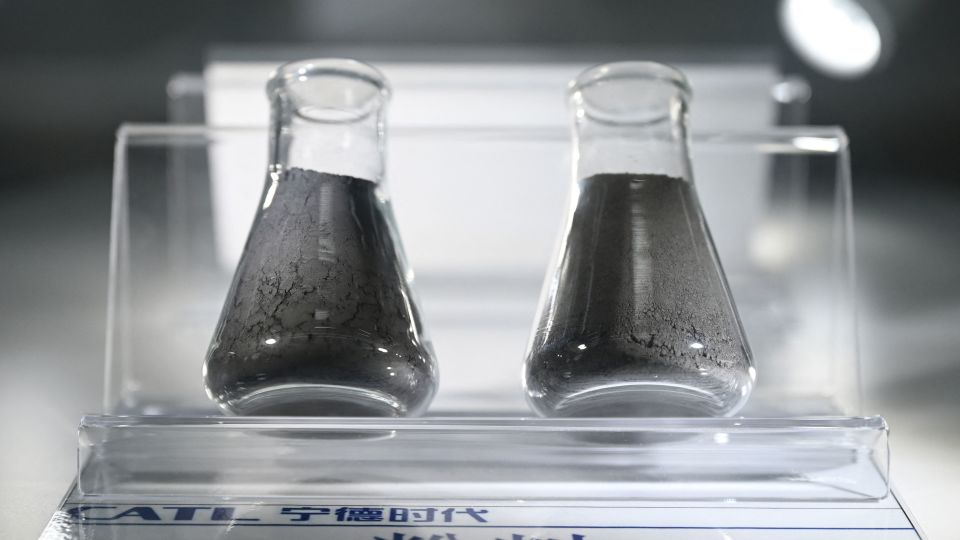
U.S. Imposes Tariffs on Chinese Graphite Imports, Affecting Electric Vehicle Costs
The recent announcement from the U.S. Commerce Department regarding a hefty 93.5% tariff on graphite imports from China has raised concerns over the future cost of electric vehicles (EVs) manufactured in the United States. This decision marks a significant escalation in trade tensions between the two countries and has implications for domestic producers and consumers alike.
The tariff is based on accusations that China has been "dumping" graphite—a raw material essential for lithium-ion batteries—at prices below market value. This situation has prompted a supportive response from U.S. graphite manufacturers, who argue that the dominance of Chinese suppliers has stunted the growth of American companies entering the market.
Current data indicates that the price of raw graphite is approximately $2 per pound, yet imports from China to the U.S. have skyrocketed, doubling over two years to a value of $347 million in 2023. Despite this influx, domestic producers have struggled to meet the high purity standards needed for EV battery production, with Tesla indicating during tariff hearings that no American supplier can currently match the required 99.9% carbon purity level.
Mike O'Kronley, CEO of the U.S.-based graphite manufacturer Novonix, expressed optimism about the potential benefits of the tariff, suggesting it could revitalize growth and investment in the domestic industry. "This is going to be very transformative for the graphite industry in the United States," he stated. O'Kronley noted that the overcapacity of Chinese manufacturers has hindered the progress of local industries producing critical minerals.
However, while the tariff may protect U.S. producers in the long term, immediate repercussions are expected. American EV battery manufacturers will likely face increased costs for graphite imports from China, which could lead to higher prices for EV consumers. This tariff is not an isolated measure; it follows a 25% tariff implemented by the Biden administration last year, resulting in a combined tax burden of nearly 160% on Chinese graphite.
Furthermore, the current landscape poses challenges for U.S. auto manufacturers. The Trump administration's recent policy changes, including cuts to federal support for electric vehicles, compound these difficulties. Initiatives to eliminate federal loans for EV factories and the removal of the $7,500 tax credit for EV buyers further complicate the potential for domestic growth in this sector.
While some representatives from the auto industry did not provide immediate comments on the new tariff, there was a consensus during hearings that U.S. producers must improve their production capabilities to meet market demands. "Not a single U.S. producer is able to produce (graphite) to these exacting specifications," noted Matt Nicely, an attorney for Tesla.
As the domestic market works towards catching up with production needs, industry leaders acknowledge that it will take time to develop sufficient capabilities. O'Kronley remarked, "Tariffs will not have an immediate effect with changing supply, but we will see changes over time." The path to establishing a robust U.S. graphite industry is anticipated to be gradual, yet the pressure is building for advancements in domestic capabilities.