.png)
U.S. Implements New Tariff Measures Amid Ongoing Trade Investigations
- Small Town Truth

- 1 day ago
- 3 min read
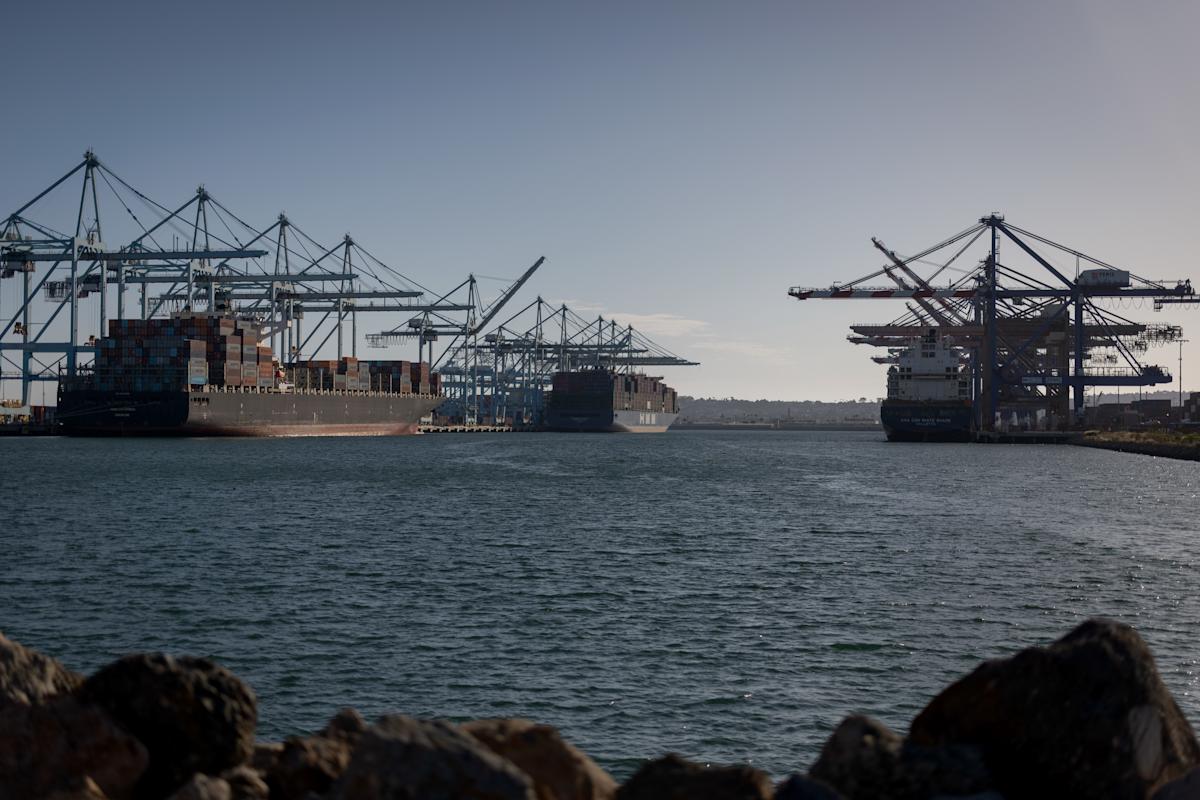
Following the Supreme Court's decision against his extensive global tariffs, President Donald Trump is implementing new protective measures aimed at reinforcing a tariff structure similar to that established at the beginning of his second term. This initiative comes as part of ongoing efforts to address challenges posed by international trade practices. Recent proposals involve investigations into allegations of unfair trade practices that primarily target forced labor regulations and excess industrial capacity in various nations. These probes are conducted under Section 301 of the Trade Act of 1974, allowing for a reevaluation of tariffs on different countries. While some nations are subject to increased scrutiny, others may find their circumstances improve as the overall tariff landscape is reshaped. As Trump's temporary 10% tariffs are set to expire at the end of July, outcomes will vary significantly across countries. Some may see advantages through lower tariffs, while others could find themselves facing higher rates. On the trade front, the administration has shown a willingness to grant exemptions to certain imports that it desires to keep affordable, such as equipment for artificial intelligence and agricultural machinery. Conversely, there is potential for broadening the range of items subjected to tariffs. A point of contention remains the status of trade agreements with nations like India, the European Union, Japan, South Korea, and the United Kingdom, which previously negotiated lower tariff thresholds, particularly concerning automobiles. U.S. officials are assuring these partners that their agreements stand firm. Jamieson Greer, the U.S. Trade Representative, is currently visiting India, where commerce and industry minister Piyush Goyal has emphasized the need for competitive tariff rates compared to rival nations, suggesting that discussions and negotiations are ongoing. Anticipated Impacts of New Tariffs As the new tariff regulations take shape, here is an overview of the expected outcomes for various countries: Prospective Gains The Philippines Previously burdened with a 19% tariff, the Philippines is poised to benefit from a reduced rate of 12.5%, as long as the proposed penalties for forced labor are enacted. This represents a nearly seven-point decrease compared to the situation in April 2025, with U.S. imports from the Philippines already having surged by 51% earlier this year to $7.7 billion. South Africa South Africa's tariff burden is also expected to ease from 30% to 12.5% following the conclusion of the forced-labor investigation. However, trade levels have already seen a significant drop, with shipments to the U.S. declining by 56% in the first four months of this year. Smaller Economies Several smaller economies, dealing with U.S. trade volumes under $10 billion, are likely to see lower tariffs, which could stimulate new opportunities for multinationals looking to adjust their supply chains to avoid heightened duties. For instance, Pakistan’s tariffs are likely to drop from 29% to 10%, and Myanmar could see its rates fall significantly to between zero and 2%. Potential Downfalls Singapore Singapore may find itself at a disadvantage in the evolving tariff landscape, as the absence of specific tariff exemptions previously available could lead to a less favorable position. Currently operating under a 10% duty, officials anticipate further increases resulting from investigations, potentially pushing rates higher. Canada While Canada appears somewhat insulated due to lower tariffs compared to April 2025, ongoing challenges such as sector-specific tariffs on metals could pose strains on Canadian industries. Trump's past threats regarding the North American trade agreement have left many uncertainties ahead of upcoming negotiations with Mexico and the U.S. Mexico Amid negotiations on auto tariffs, Mexico is advocating for reductions, arguing that current duties exceed those imposed on vehicles from other countries. The outcomes of these discussions remain unclear as talks continue. European Union
