
Trump's Tariff Strategy: Shifts, Costs, and Refund Controversies
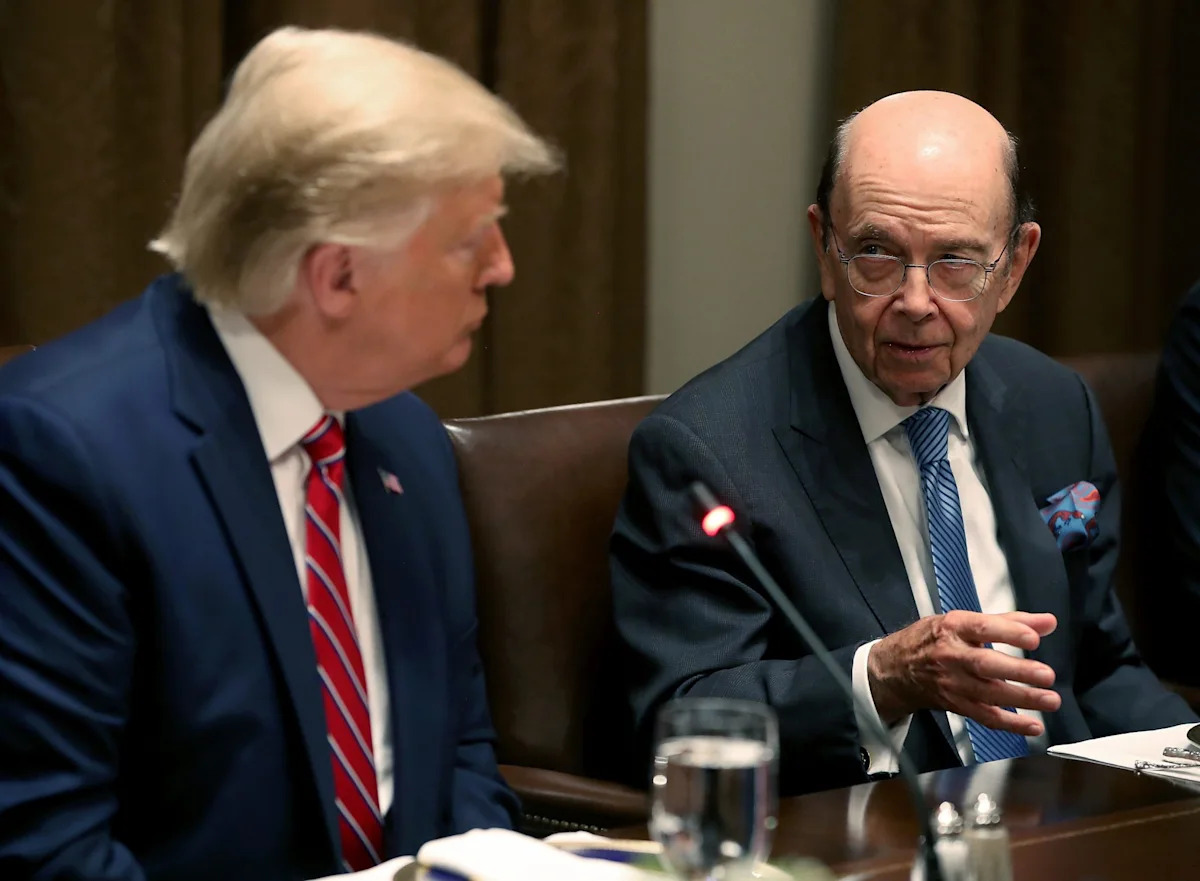
The approach to tariffs under President Donald Trump has evolved significantly since his first term, according to former Commerce Secretary Wilbur Ross. Initially intended to decrease the trade deficit, tariffs are now being used for various other objectives, raising questions about their implementation and the fairness of tariff refunds following recent Supreme Court decisions. A Shift in Purpose In an interview with Fortune, Ross mentioned that the current administration’s use of tariffs reflects a shift from the goal of merely reducing the trade imbalance to a broader, more complex agenda. "It's a whole different picture,” Ross stated, signaling that Trump’s second term is characterized by "a different objective that he has." Tariffs and Consumer Impact Tariffs typically impact consumers because importers face the cost at the border, deciding whether to absorb it or pass it onto shoppers. According to Federal Reserve data, American households have borne approximately 90% of the costs associated with Trump's second-term tariffs. During the first term, tariffs were introduced through Section 232 of the Trade Expansion Act, aimed at securing national security. Ross was responsible for recommending tariffs on imported steel and aluminum which resulted in a 25% tariff on steel and a 10% tariff on aluminum in early 2018, justified by concerns over China’s steel production. New Authority for Broader Reach In his second term, Trump has employed a different legislative framework—namely, the International Emergency Economic Powers Act—which allows for greater latitude in trade actions during declared emergencies. This has led to tariffs that extend beyond traditional economic concerns, including a controversial tariff on Brazilian imports associated with political events in Brazil. Ross observed that Trump entered his second term with a stronger legislative position, unlike the first term when he lacked full control of Congress and the Republican Party. "He was much stronger as he went into the second term than he was when he went into the first term," Ross noted. Refund Controversies Following a ruling by the Supreme Court that requires the government to refund approximately $166 billion to importers, Ross expressed skepticism about the distribution of these refunds. He stated, "I think that there are some serious questions as to whether the right people got the refund," implying that importers who passed tariff costs onto consumers may unjustly benefit from these refunds. Certain companies, including UPS and FedEx, have opted to return their refunds to customers, while others, like Amazon, provide limited refunds. Ross highlighted the case of Amazon, questioning why the company should receive refunds exceeding what it passed onto consumers. "Let’s say you’re Amazon, and let’s say you passed on half the tariff to your customer. Why should you get more than half the refund?" Ross remarked, indicating the complexity of financial obligations resulting from tariff strategies. Ross concluded that such practices create a scenario where some importers may profit from the tariffs, which he characterized as “conceptually flawed.” This story was originally featured on Fort