
Shifts in U.S. Apparel Imports Highlight Tariff Effects on Trade Patterns
Shifts in U.S. Apparel Imports Reflect Tariff Impact
In a notable turn of events, recent trade patterns in the U.S. apparel market have revealed significant shifts triggered by evolving tariff situations. Notably, increased shipments from China, heightened imports from Canada, and a stark decline in volumes from India have surfaced, showcasing the intricate dynamics of a trade landscape affected by persistent tariff issues.
In August, the overall tariff rates for apparel reached their highest point since March, climbing to 22.7 percent from 21.5 percent the previous month. This rise is attributed to the introduction of Section 301 tariffs, which were implemented on July 24 and affected around 60 key trading partners, with rates fluctuating between 10-12.5 percent. Dr. Sheng Lu, a fashion and apparel studies expert at the University of Delaware, pointed to these tariffs as a critical factor influencing import trends.
Following a temporary decrease in tariff rates after a Supreme Court ruling in February, August marked a reversal due to the implementation of these new duties. Lu noted, “I think it’s a very strong signal, and I think this trend could continue in the next few months,” indicating a potential onset of prolonged tariff impacts on trade.
Moreover, an investigation into Brazil under Section 301 had escalated its average tariff rate from 23.5 percent in July to a startling 38 percent in August, outpacing even China. This change indicates Brazil’s status as an alternative sourcing location beyond Asia, especially for footwear, despite its minimal contribution to apparel exports.
Interestingly, as tariff rates on Chinese goods aligned more closely with those from other Asian nations, U.S. apparel imports from China rose by 2.3 percent in August, surpassing growth rates from Vietnam. The thawing tensions between the U.S. and China, marked by productive trade discussions and a forthcoming meeting between President Trump and Chinese President Xi Jinping, have also contributed to this upward trend.
Conversely, imports from India faced a sharp 31 percent decline in August, underscoring the volatility in U.S.-India trade relations. This downturn stems from the additional tariffs instigated by the recent Sanctioning Russia Act, which imposes severe penalties on nations engaging with Russia for energy. This shift has prompted Indian suppliers to reconsider their market focus toward European regions in light of trade uncertainties from the U.S.
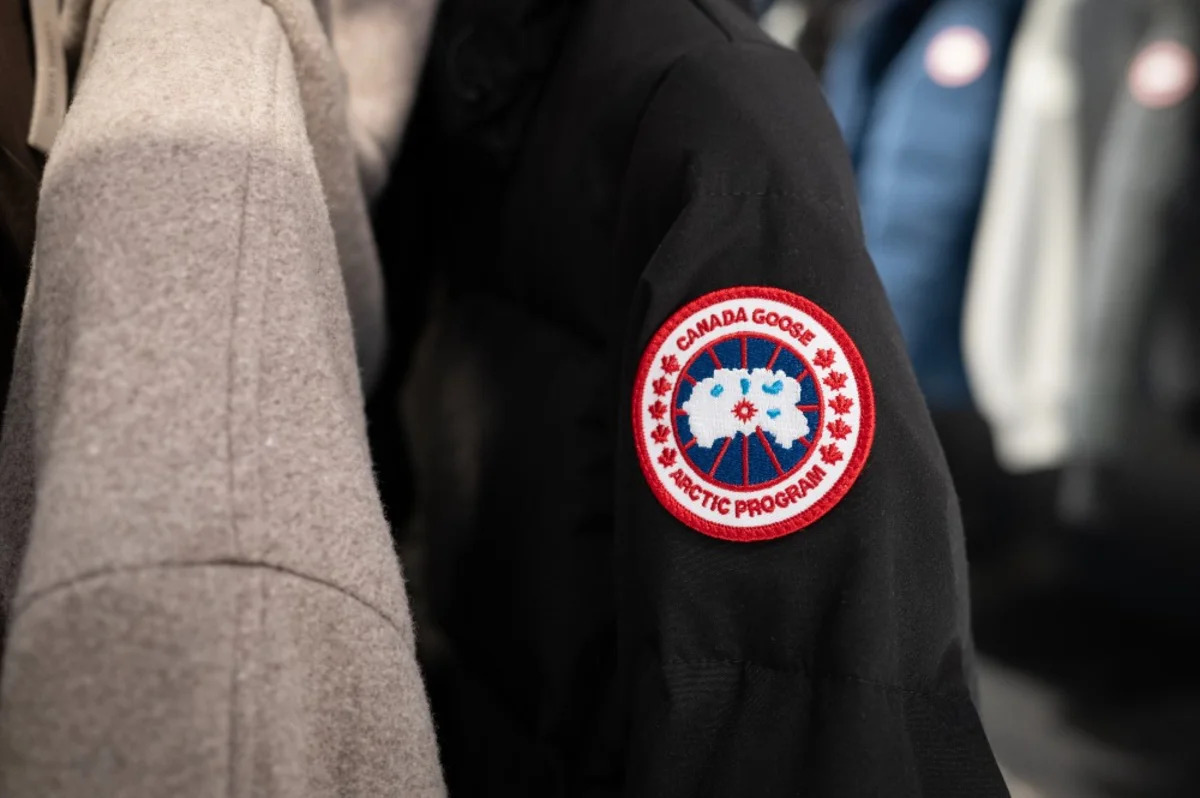
In contrast, apparel imports from Canada saw a remarkable 32.8 percent year-over-year increase in August, as U.S. companies expedited shipments prior to the implementation of a 50 percent Section 338 tariff that took effect on August 22. Lu attributes this surge to companies seeking to prepare for colder seasons and the upcoming holiday shopping rush.
This phenomenon primarily reflected a rise in the value of imports rather than quantity, suggesting that high-value items, such as winter outerwear, drove the increase. While this period typically observes a spike in imports, Lu emphasized the unusual nature of such a significant jump compared to previous years.
Overall, U.S. apparel imports experienced a slight value increase of 0.2 percent in August from the previous year, yet there was a notable 6.3 percent drop in volume. This discrepancy highlights a broader trend where rising prices are influencing import dynamics more than sheer quantity, as companies adjust their strategies in response to fluctuating tariff rates and market demands.
The complexities of these trade relationships illustrate the growing unpredictability in the global market for apparel. As tariffs continue to reshape import strategies, U.S. companies are recalibrating their supply chains, with many turning to innovative forecasting methods to adapt to these rapid changes effectively.