.png)
Trump's Proposed $2,000 Tariff Dividend: Impact on Moderate-Income Americans
- Small Town Truth

- Nov 24
- 2 min read
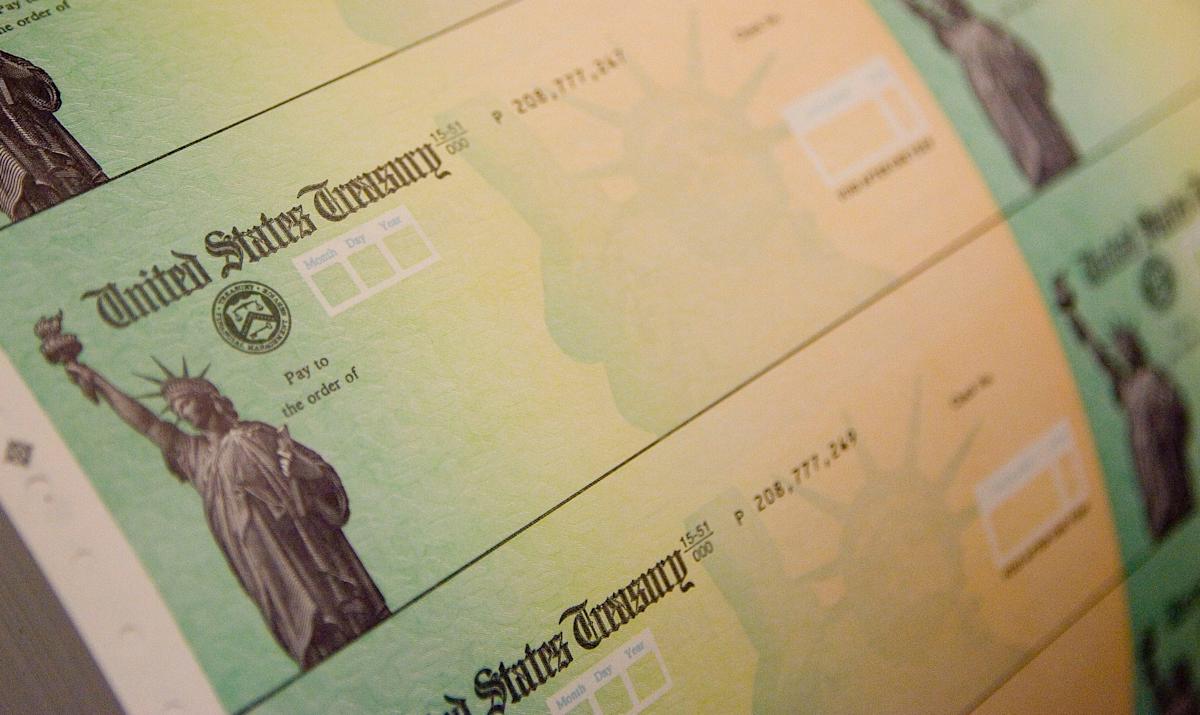
As discussions around financial support from the government continue, many Americans are focused on President Donald Trump’s proposed $2,000 tariff dividend payment. With the conversation highlighting eligibility and the economic implications, citizens are eager for clarity on this potential initiative.
Recent remarks from Trump indicate that these dividend checks target "individuals of moderate income," with a rollout anticipated in 2026, before the upcoming midterm elections. "We’ve taken in hundreds of millions of dollars in tariff money. We’re going to be issuing dividends," Trump stated during a public address, suggesting that the payments would be available before mid-year 2026.
Addressing concerns over national debt, the president added that part of the tariff revenue would also serve to reduce the growing deficit. However, he specified that no dividend checks would be distributed during the current holiday season, clarifying that they would not materialize until next year. “No, no. Not for this year. It’ll be next year sometime,” Trump affirmed.
Despite the ambitious promise of dividend payments, budget analysts are skeptical. Erica York, a policy expert at the Tax Foundation, pointed out the economic challenges of the proposal. For instance, to qualify, an individual earning $100,000 may cost approximately $300 billion if 150 million adults are included in the payment structure. This stands in contrast to the current tariff revenue of about $195 billion, according to officials.
In theory, projections suggest potential future tariffs could yield substantial revenue over the coming decade. Trump’s administration is reportedly considering future anticipated tariff revenues, which the Treasury Department forecasts to be around $3 trillion.
The eligibility criteria for these dividend payments remain vague. Similar to past initiatives where payments were distributed to taxpayers based on income, Trump's current discussions lean toward excluding higher-income individuals. "We’re going to issue a dividend to our middle income people and lower income people of about $2,000," Trump indicated, further solidifying his focus on supporting those with moderate earnings.
Historically, the classification of income brackets can vary widely. For reference, the U.S. Census Bureau identifies the 2024 median household income as approximately $83,730. Utilizing guidelines from the Pew Research Center, middle-income households are determined to be those earning between two-thirds and double that amount, suggesting affected families could earn between $55,820 and $167,460.
The variance in cost of living across states must also be recognized, as cities like Arlington, Virginia, and San Jose, California, report median incomes exceeding $136,000, while other areas like Cleveland, Ohio, reflect figures below $40,000.
Potential recipients can refer to income calculators provided by the Pew Research Center to better understand their eligibility regarding the proposed tariff dividend payments.