.png)
Trump's $2,000 Tariff Dividend Proposal: Worthwhile or Misguided?
Trump's Proposed $2,000 Tariff Dividend Sparks Debate
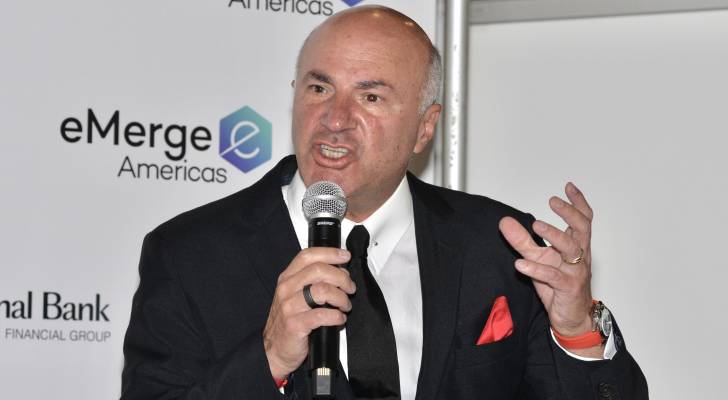
In a recent statement on Truth Social, former President Donald Trump proposed a plan suggesting that every American could receive a $2,000 "dividend" from tariffs, explicitly excluding high-income individuals. This announcement has drawn significant attention, prompting investor and television personality Kevin O'Leary to express his disapproval of the concept.
O'Leary, known for his role on Shark Tank, articulated his views during an appearance on CNN. He tweeted, "Everyone loves the idea of a free check, especially in a tough economy. But here’s the truth, and it’s not always popular — sending out $2,000 checks funded by tariffs might feel good in the moment, but it does nothing to fix the core problem." He pointed out that the proposed initiative could cost approximately $600 billion annually, which is double the revenue generated from tariffs.
According to O'Leary, such a strategy could exacerbate inflation, which he described as a "silent tax" affecting all Americans, particularly those with fewer financial resources. He emphasized that rather than distributing checks, funds could be more effectively utilized to reduce national debt, which could subsequently benefit the bond market and lower mortgage rates.
While the notion of receiving a $2,000 check might offer some temporary financial relief to those struggling to meet their expenses, O'Leary cautioned that it might not be a sustainable solution. He remarked on the idea of providing “money for nothing” and suggested a more prudent approach would be to address underlying economic challenges.
If such a payment were to materialize, individuals might consider using the funds to eliminate high-interest debt, such as credit card balances, which could facilitate future saving and investing opportunities. There are two commonly advocated strategies for debt repayment: the avalanche method, which prioritizes debts based on interest rates, and the snowball method, which focuses on paying off smaller debts first.
For those debt-free and looking to build an emergency fund, the proposed $2,000 could serve as a crucial starting point. Financial advisors typically recommend having three to six months' worth of expenses saved, and placing these funds into a high-yield savings account could provide better interest returns while maintaining easy access to the money.
One option is the Wealthfront Cash Account, which boasts competitive interest rates and flexibility in accessing funds. New clients can earn an enhanced annual percentage yield (APY) during the initial period, making it an attractive choice for new savers.
Alternatively, individuals might seek to invest the $2,000 for potential growth. Self-directed investing platforms, such as SoFi, allow for investments in stocks or ETFs without incurring high fees, providing resources to help manage investments effectively.
Moreover, for those already invested in the stock market, diversifying into alternative assets like real estate could be a strategic move. Platforms such as Arrived enable users to invest in shares of vacation and rental properties, providing a passive income stream without the responsibilities of direct property management.
As discussions around Trump's proposal continue, it remains to be seen how the situation unfolds and what alternatives may emerge for addressing economic concerns across the country.