.png)
Trump Proposes $2,000 Dividend for Americans Amid Economic Debate
- Small Town Truth

- 6 days ago
- 2 min read
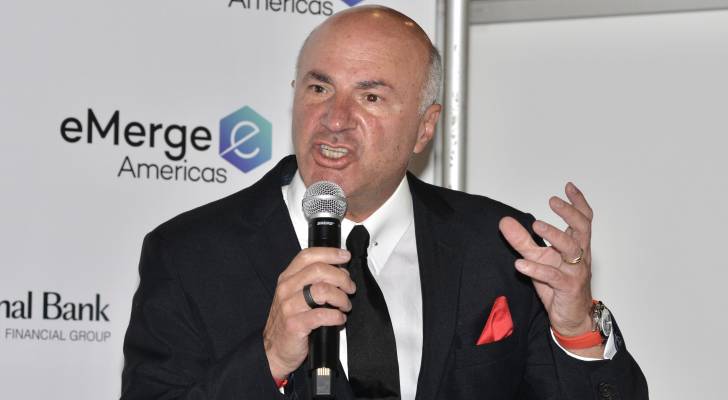
Trump's Tariff Proposal Sparks Debate Among Economists In the realm of American financial policies, a recent post by former President Donald Trump on Truth Social has stirred considerable discussion. Trump suggested the possibility of distributing a $2,000 "dividend" to every American, while specifying that it would not be available to high-income individuals. This proposal has met with skepticism, notably from investor and entrepreneur Kevin O'Leary, who openly criticized the idea. In a CNN appearance, O'Leary addressed the concept, stating, "Everyone loves the idea of a free check, especially in a tough economy. But here’s the truth, and it’s not always popular — sending out $2,000 checks funded by tariffs might feel good in the moment, but it does nothing to fix the core problem." He highlighted the financial implications, noting that the estimated cost of this proposal would total around $600 billion annually, which is more than double the revenue derived from tariffs. O'Leary expressed concerns that such a move could exacerbate inflation, labeling it a "silent tax" that disproportionately affects those least able to bear it: "Inflation is a silent tax that punishes every American, especially the ones who can least afford it." Instead of distributing direct payments, he advocated for allocating funds toward reducing the national deficit, asserting that decreasing debt is crucial for stabilizing the bond market and reducing mortgage rates. While Trump’s announcement remains unofficial, it prompts a discussion on potential uses for any newfound funds for those who do receive them. Individuals facing financial difficulties may view a $2,000 check as an opportunity for temporary relief. However, financial experts suggest that utilizing such windfalls strategically can lead to longer-term benefits. Smart Strategies for Utilizing a $2,000 Check For many Americans burdened with high-interest debts, such as credit card bills, using this $2,000 to pay down outstanding balances could pave the way for improved financial health. Management strategies like the avalanche and snowball methods can aid in efficiently reducing debt. The avalanche method prioritizes tackling larger debts first to minimize interest costs, while the snowball technique focuses on clearing smaller debts to build momentum. Once debt is addressed, establishing or enhancing a savings buffer is essential. A great starting point is an emergency fund, ideally containing three to six months' worth of expenses. To maximize earnings, individuals might consider a high-yield savings account, such as the Wealthfront Cash Account, which offers competitive interest rates while maintaining liquidity for emergencies. If an emergency fund is already in place, investing the $2,000 could facilitate wealth growth. Options may include low-cost index funds or diversified portfolios through platforms like SoFi, which requires no commissions and permits user-friendly investment tracking. Moreover, for those already investing in the stock market, branching into real estate through fractional ownership platforms like Arrived can diversify investments and generate passive income without the burdens of direct property management. For existing real estate investors seeking efficiency, tools such as <a href="https://moneywise.com/c/1/378/1697?placement=11&utm_source=syn_yahoofinance_mon_aff&utm_medium=DL&utm_campaign=143498&utm_content=syn_b2f1cc40-cdd1-4ec4-8e85-b33e1c4849e1" class="