.png)
Sanctioning Russia Act of 2026: Aggressive Tariffs on Energy Purchases
- Small Town Truth

- 4 days ago
- 2 min read
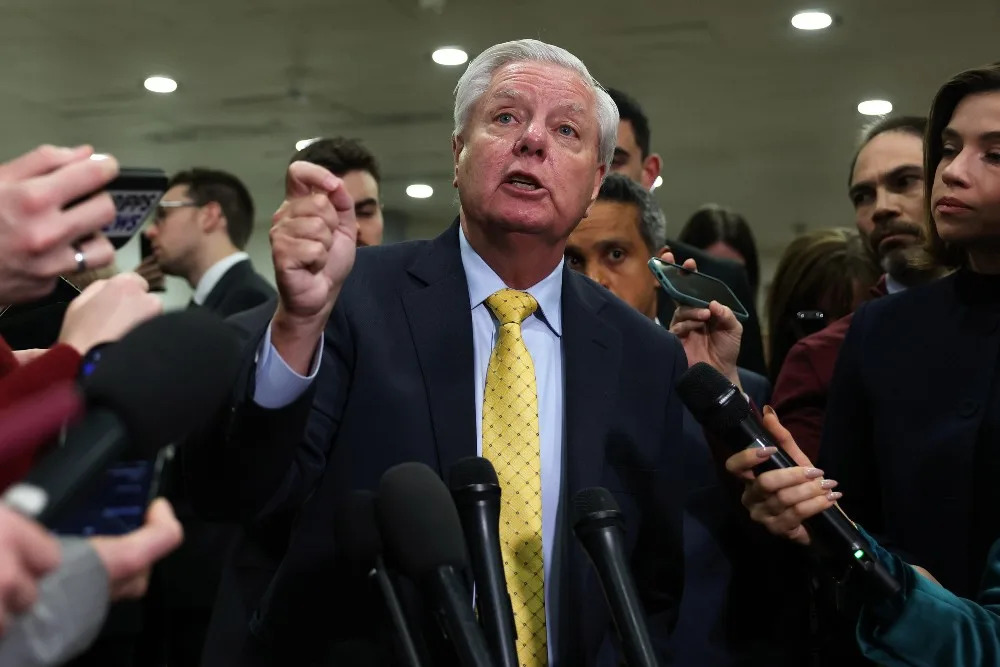
In a significant legislative move, a bill aiming to impose aggressive tariffs on countries purchasing energy from Russia has been introduced. This initiative, known as the Sanctioning Russia Act of 2026, was developed before the recent passing of Senator Lindsey Graham and is backed by a bipartisan group of lawmakers.
The proposed legislation seeks to discourage the purchase of Russian crude oil and natural gas by imposing duties on major trading partners. Among the key objectives is to reduce Russia's financial support for its military actions in Ukraine. The bill was formally presented following Graham's visit to Kyiv for discussions with Ukrainian President Volodymyr Zelenskyy.
Under the provisions of this law, the five nations that are the largest buyers of Russian oil—namely China, India, Slovakia, Hungary, and Azerbaijan—would face tariffs of up to 100 percent. A similar penalty would apply to the top five purchasers of Russian natural gas, which include China, France, Belgium, Japan, and Hungary. However, countries with less than 15 percent of Russia's natural gas market share would be exempt from these tariffs.
The bill includes a 180-day review process, which allows for the potential lifting of tariffs should the involved nations demonstrate actionable steps towards diversifying their energy imports away from Russia. This process underlines the intent behind the legislation to incentivize change.
In addition to imposing tariffs, the bill would enforce mandatory sanctions on Russian President Vladimir Putin along with key officials, banks, and businesses within the country. Furthermore, it would restrict U.S. entities from engaging with Russia's energy sector.
Senator Richard Blumenthal (D-Conn.) emphasized the importance of these sanctions, stating, “Sanctions will be a decisive factor in this war, throttling Putin's economy, stopping the flow of oil and gas revenue, and targeting the countries that are complicit, the bad actors, including the enablers and evaders.” He clarified that while the bill may be characterized as a tariff measure, it fundamentally acts as a means of creating broad sanctions against significant portions of the Russian economy.
With prior negotiations leading to a protracted process, lawmakers are keen on the swift passage of this bill. President Donald Trump has expressed his support for the legislation, indicating he would sign it into law upon Congressional approval.
This effort marks the latest in a series of tariff implementations aimed at curbing Russia’s military funding through trade restrictions. In a previous action taken last August, Trump enacted a 25 percent tariff on India related to Russian oil purchases, compounding the country's overall tariff load significantly in the context of international trade dynamics.
