.png)
Ford Faces Class Action Over Tariff Profits and Vehicle Price Hikes
- Small Town Truth

- Jul 16
- 2 min read
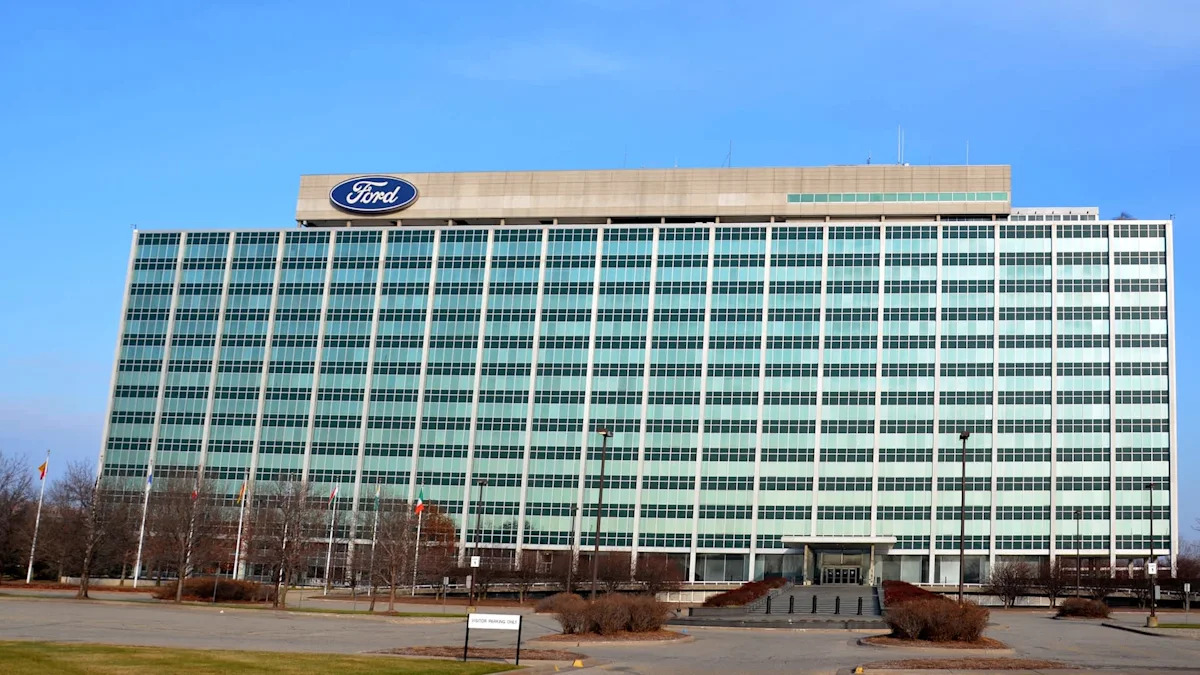
Ford Motor Company is currently facing a proposed class action lawsuit in Michigan, centering around the implications of a significant $1.3 billion gain from tariffs announced by the company. This situation has raised questions about whether customers who paid higher prices due to these tariffs should be entitled to refunds, especially now that Ford indicates it may be receiving reimbursements for these levies.
Background of the Lawsuit
The lawsuit, initiated by an owner of a Ford Mustang Mach-E, alleges that Ford incorporated tariff-related costs into the pricing of their vehicles. According to reports from Ford Authority, the plaintiff is contending that consumers who paid these elevated prices deserve reimbursement now that Ford has conditions to receive refunds from the tariffs paid between March 2025 and February 2026, which were imposed under the International Emergency Economic Powers Act.
In February, the Supreme Court ruled that some tariffs were illegal, prompting a reevaluation of the financial obligations that consumers have faced. The lawsuit articulates that while the increased costs were passed onto buyers, any refunds will revert solely to the importer—Ford in this case—without any financial recompense to the consumers.
Wider Implications
This case is part of a broader trend, aligning with similar lawsuits filed against corporations like Amazon, Costco, and Nike. Notably, General Motors, a competitor of Ford, has also stated it will not provide refunds to customers for price increases attributed to tariffs. The pivotal issue being questioned is whether companies should retain both the increased prices charged to consumers during the period of tariffs and the refunds received once those tariffs are invalidated.
Consumer Impact
Tariff-related price hikes, even if modest, can substantially affect household budgets. Buyers who managed to purchase vehicles like the Mustang Mach-E under financial strain might feel particularly aggrieved knowing that the refunds for outlined costs are allocated solely to Ford. The lawsuits suggest that consumers believe these increases are justified by governmental policy, and when those tariffs are later overturned, the financial burden is unjustly borne by the buyers.
As noted in the lawsuit, since consumers cannot directly claim these tariff refunds from the federal government, pursuing litigation has emerged as a crucial avenue for addressing the issue. The proposed class action seeks the recovery of what are deemed tariff-related overcharges that consumers allegedly suffered when these import expenses were integrated into vehicle prices.
Next Steps in the Process
This legal action could significantly influence the expectation of corporate accountability among automakers and beyond. Should the lawsuit advance, it will test the obligation of companies to extend refunds to consumers after the elimination of such import tariffs. A favorable ruling for consumers may set notable precedents for similar claims against other car manufacturers.
The lawsuit articulates the essence of the situation by stating, "If Ford retains the (tariff refunds) while also retaining the tariff-related price increases paid by consumers, Ford will receive a double recovery and unjust windfall." Despite the lawsuit, a spokesperson for Ford emphasized the company's dedication to providing affordable vehicle options and maintaining commitments that are beneficial to customers and dealers.
