.png)
Footwear Industry Faces Rising Tariffs and Consumer Price Hikes
- Sep 18, 2025
- 2 min read
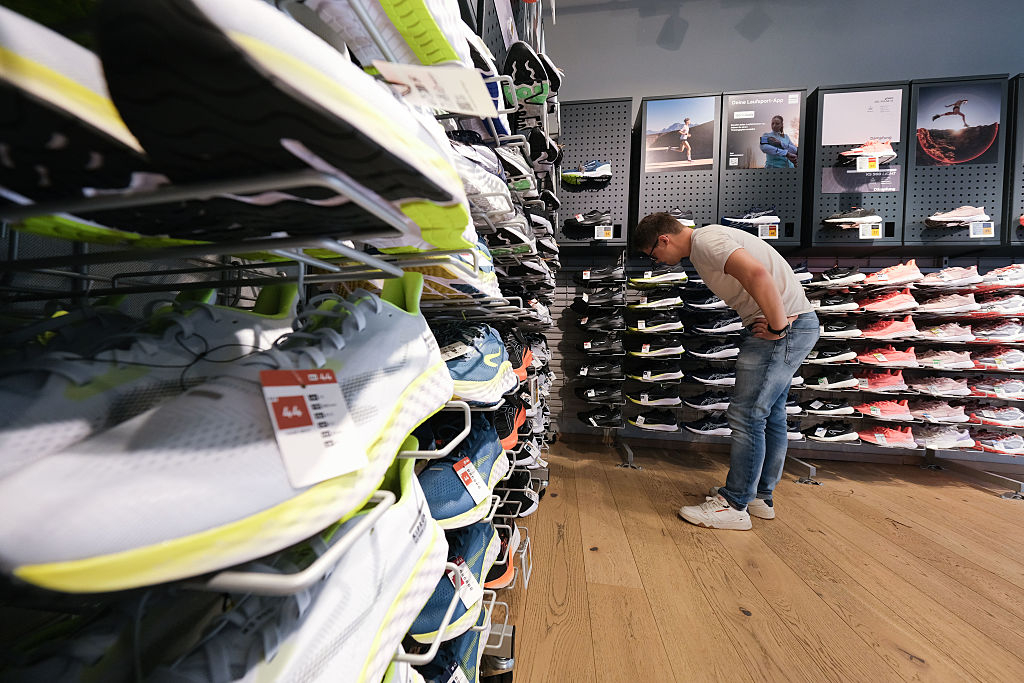
As the footwear industry navigates a turbulent landscape marked by rising tariffs, companies are now grappling with the reality of increased costs that will inevitably be passed on to consumers. The challenge of maintaining pricing structures without compromising business viability has never been more pressing.
During a recent conference call, Matt Priest, president and CEO of the Footwear Distributors and Retailers Association (FDRA), reflected on the current state of the footwear market. He stated, “We’re in unprecedented times where everything’s going to be more expensive because of these tariffs that are so broad-based.”
Strategic Measures to Mitigate Tariff Impact
To shield consumers from the immediate impact of tariff-induced price increases, industry players have deployed various strategies. According to Priest, many companies have engaged in proactive measures such as front-loading shipments. However, he noted that while shipments for women’s fashion footwear have largely been sold, inventories in men’s categories remain less dynamic, indicating varying turnover rates. As a result, shipments entering the market now will likely face price increases due to the tariffs.
Consumer Concerns Amid Rising Prices
The FDRA has observed a trend of price increases in footwear over the past two months, as indicated by the consumer price index (CPI). Priest warned, “If those trends continue, as prices go up, [demand] will go down. It’s inevitable.” This anticipated decline in demand comes at a time when the unemployment rate may rise, which could further hinder consumer spending amidst increasing prices for essential goods.
Industry Sourcing and Tariff Burden
A key factor highlighted by Priest is the U.S. reliance on overseas sourcing, with 99 percent of shoes sold in the country imported. In a typical year, this amounts to nearly 2.5 billion pairs, equating to an average of seven pairs per person. The current tariff burden stands at approximately $3 billion annually, with projections suggesting it could escalate to around $5 billion by year-end. Priest noted that tariff collections surged to $635 million in July, reflecting a staggering 108 percent increase.
Industry Reactions to Rising Tariff Rates
Pat Mooney, CEO of Footwear Unlimited, described the changing tariff landscape as “brutal.” He pointed out that average duty rates have escalated from around 10 percent to between 25 and 30 percent. This volatility complicates forecasting and margin management for footwear businesses. The primary sources of imported footwear include China, India, and Mexico, and the absence of trade agreements with these countries adds to the uncertainty.
Future Sales Projections
Looking ahead, Mooney indicated that optimism for increased sales in the upcoming season is lacking among retailers, who are instead preparing for a decline in units sold due to tangible price hikes. Reports suggest that brands are transferring approximately 10 percent of the increase to consumers, with manufacturers and retailers each bearing parts of the burden as well.
Potential Impacts of Legal Developments
Another significant unknown is how the U.S. Supreme Court may rule on President Trump’s authority to impose these tariffs, along with the potential for tariff refunds. If refunds are granted, Priest outlined three possibilities for their use: companies could reinvest in staffing, pass savings back to consumers through lower prices, or enhance the quality of products by avoiding cost-cutting measures.