.png)
Concerns Over U.S. Tariff Proposals Amidst China Trade Negotiations
- Small Town Truth

- Mar 16
- 2 min read
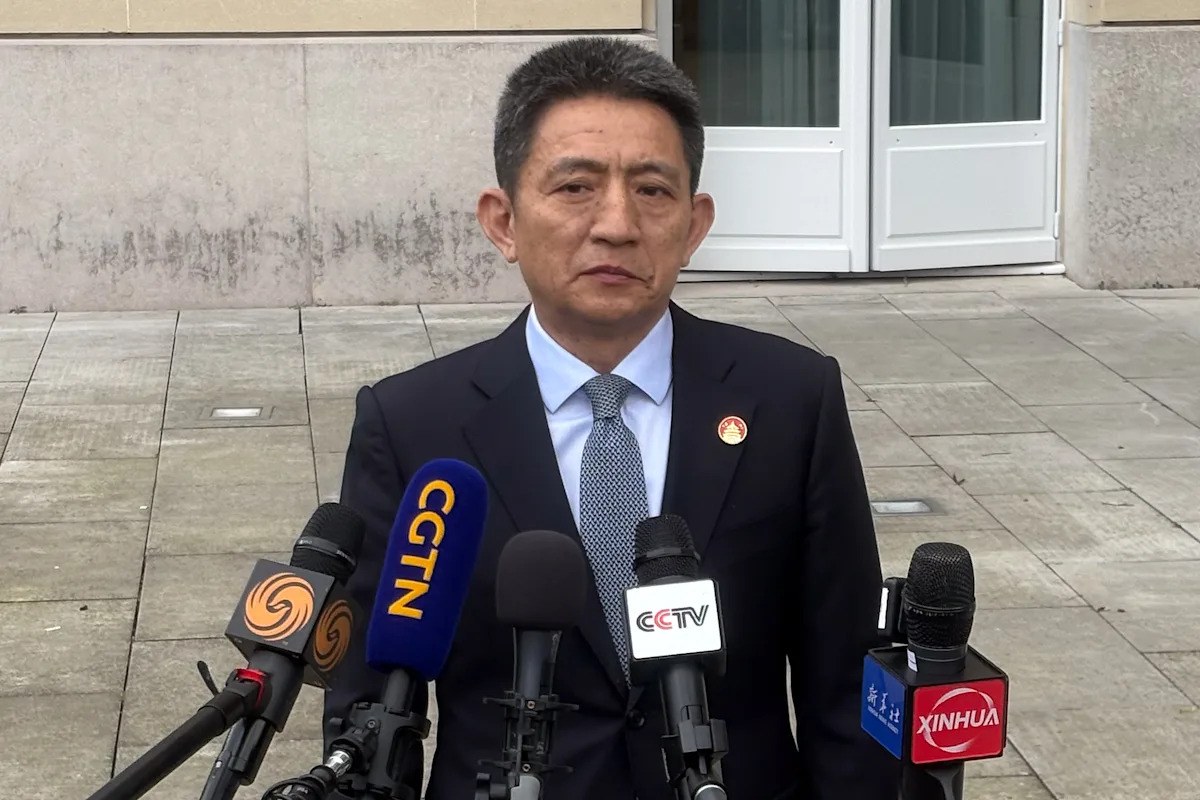
Concerns Raised Over Recent U.S. Tariff Measures Amidst China-U.S. Trade Talks
In a significant dialogue between U.S. and Chinese officials in Paris, China expressed concerns regarding President Donald Trump’s recent tariff proposals. These developments occur as both countries seek to maintain stability in their trade relationship, following high-level talks focused on preempting retaliatory measures.
Li Chenggang, China’s international trade representative, articulated apprehensions about new trade investigations initiated by the Trump administration. These investigations emerged after the U.S. Supreme Court invalidated previous tariffs. “We are concerned that the possible results of such investigations may interfere with or damage the hard-won and stable China-U.S. economic and trade relations,” Li stated to reporters.
The discussions also covered the potential for extending tariffs and other trade measures, reflecting China’s worries about the impact of U.S. adjustments on trade certainty. Both sides recognized the importance of maintaining tariff stability, with Li mentioning the need for proactive measures in this regard.
The recent meeting was a preparatory step for President Trump’s anticipated trip to China in approximately two weeks, though he has indicated that this visit could be postponed. There were no comments from Li regarding the possible postponement, and he did not take any questions from the press.
Treasury Secretary Scott Bessent, who led the U.S. delegation, described the discussions as “constructive,” emphasizing their role in fostering a stable relationship between the two nations. He highlighted that the meetings aim to prevent retaliatory actions and ensure ongoing dialogue.
If realized, Trump’s visit would mark the first instance of a sitting U.S. president visiting China since his initial trip in 2017. This follow-up comes five months after Trump’s meeting with Chinese President Xi Jinping in Busan, South Korea.
However, complications arise from the ongoing Iran conflict, which could impact U.S.-China relations as they attempt to mend ties following a period characterized by extensive tariffs. Previously, both countries had established a one-year truce after the import taxes had hit alarming levels.
Trump has indicated that he might delay his visit in light of pursuing China’s cooperation regarding the Strait of Hormuz amid rising oil prices driven by tensions related to Iran. Yet, Bessent clarified that any postponement would not be a negotiation tactic regarding this issue.
“If the president's visit is postponed, it would have nothing to do with the Chinese making a commitment to the Straits of Hormuz,” he explained. “The postponement, if it happens, would be because the commander in chief of the United States military believes that he should stay in the United States while this war is being prosecuted.”
Meanwhile, U.S. Trade Representative Jamieson Greer, who accompanied Bessent, pointed out that the discussions outlined a framework for the upcoming Trump-Xi meeting, aiming to yield tangible results. He also reiterated that they examined the trade investigations of concern to China.
“We started these talks by giving them a preview of what we’re doing on U.S. trade policy as we adjust to the Supreme Court,” Greer noted. “The president's trade policy hasn’t changed. Our tools may change, and we’re conducting these investigations, but we don’t want to prejudge them.”