.png)
Alabama Farmers Hope Tariff Boosts Local Tomato Market This Summer
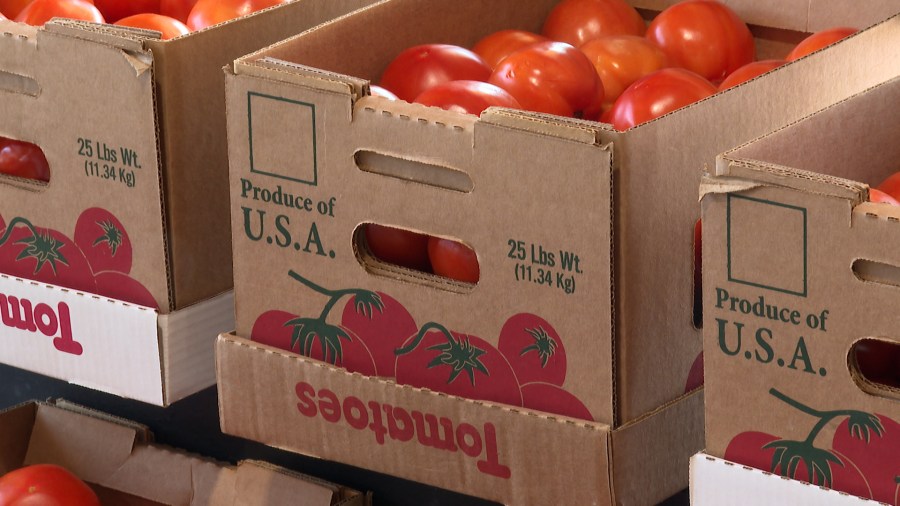
Summer in Alabama is synonymous with tomatoes, featuring them in everything from refreshing salads to classic tomato sandwiches. Farmers are now looking toward a recent policy shift in Washington, D.C., which they believe will spark renewed interest in locally grown tomatoes.
Isom Orchard, located in Athens, is primarily known for its apples and peaches but is currently seeing an abundant supply of vine-ripened tomatoes in its market.
CLICK HERE for News 19’s Interactive Radar 🌩️🌦️☔
Kent Isom, the Assistant Manager at Isom’s Orchard, commented on the situation, stating, “Tomatoes in the summertime is a very popular item.”
Although tomatoes are not the primary crop at Isom Orchard, Isom expressed optimism about the impact of a newly imposed 17.09% tariff on fresh tomato imports from Mexico, which took effect on July 14th. “I think it’s probably a good thing that it’s happening,” he noted.
This tariff follows the United States' decision to withdraw from the 2019 Suspension Agreement that previously regulated the importation of Mexican tomatoes.
The U.S. Department of Commerce reports that under the former agreement, Mexican tomatoes were sold at prices that disadvantaged domestic producers. Isom indicated, “I think terminating the agreement would probably create a more sustainable, even playing field for all farmers, especially in Alabama.”
Blake Thaxton, Executive Director of the Alabama Fruit & Vegetable Growers Association, agrees with Isom's perspective. He stated, “likely, the Mexican tomatoes will still be cheaper, that’s just the realities of the cost of production, but it gives a better chance for domestic producers to compete.”
Latest Developments
Thaxton shared insights about the effects of the previous agreement on the domestic tomato market, explaining, “When the agreement was originally put in place, about 30% of the tomatoes consumed in the U.S. were imported, and now 70% of the tomatoes are imports and only 30% are grown domestically.”
He expressed his hope that this tariff would bolster the domestic market. “We’re excited for this decision and hope that we can have further decisions that protect our industry,” he added.
Copyright 2025 Nexstar Media, Inc. All rights reserved. This material may not be published, broadcast, rewritten, or redistributed.
For the latest news, weather, sports, and streaming video, head to WHNT.com.