.png)
Wall Street Banks Bet Big on Supreme Court's Trump Tariff Decision
- Small Town Truth

- Oct 25, 2025
- 3 min read
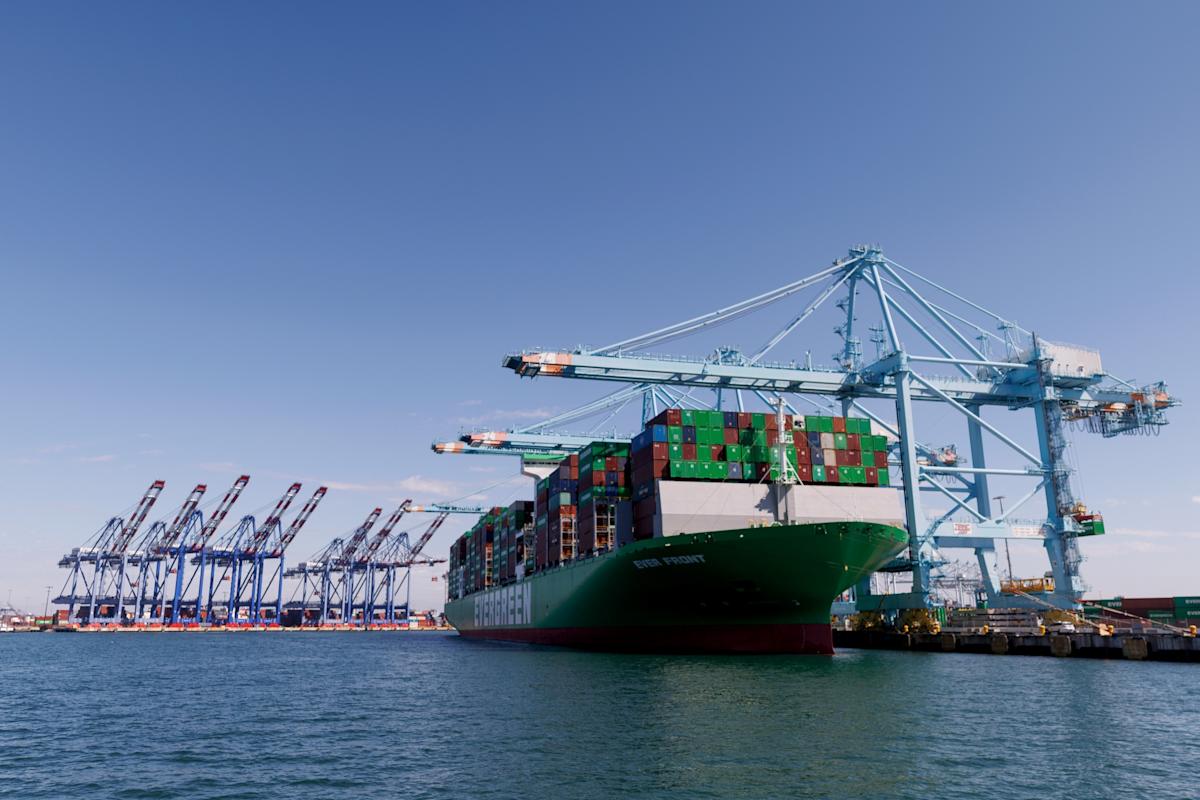
Wall Street Banks Facilitate High-Stakes Bets on Supreme Court Ruling Against Trump Tariffs
(Bloomberg) -- As the Supreme Court is poised to deliberate on President Donald Trump’s tariffs, Wall Street banks are orchestrating complex financial deals aimed at capitalizing on potential changes to these tariffs. This unconventional market allows hedge funds to wager on the likelihood of tariffs being deemed illegal, with stakes that could yield significant profits for investors betting against the administration's tariff policies.
Financial institutions like Jefferies Financial Group Inc. and Oppenheimer & Co. are reportedly facilitating these arrangements, connecting investors with companies burdened by tariffs on goods imported to the United States. Sources familiar with the situation indicate that these banks are actively helping firms sell their future rights to seek refunds on tariff payments, potentially opening avenues for substantial payouts should the court rule in favor of the challengers of the tariffs.
In these trades, importing companies offer investors an opportunity to buy claims on future tariff refunds at discounted rates. This arrangement allows firms to receive immediate funds while investors gain the potential for returns in the event of a favorable court decision that would render the tariffs illegal. The banks involved are compensated with a percentage of the transactions.
Many within the finance sector see these trades as a continuation of Wall Street's broader speculation on the sweeping policy shifts brought by the Trump administration. With a strong focus on varying sectors, including trade and energy, the current bets underscore the complexities of legal interpretations and the opportunities that may arise from ongoing judicial challenges.
Hedge funds participating in these trades might pay around 20 to 40 cents for every dollar of anticipated refunds, creating a scenario where the returns could far exceed the initial investment. These trades typically vary in size, ranging from $2 million to $20 million, although there are occasional transactions that exceed $100 million.
According to documentation reviewed by Bloomberg, Oppenheimer has facilitated over $1.6 billion in similar trades related to US-China tariffs since 2021. These deals provide firms with immediate cash flow while they await uncertain court outcomes. The Supreme Court is set to hear arguments on November 5 regarding tariffs implemented under the International Economic Emergency Powers Act, suggesting significant implications for both the government and the importing companies should the tariffs be invalidated.
If the Supreme Court rules against the tariffs, the government could face substantial liabilities, potentially needing to refund a significant portion of the net $195 billion in customs revenue generated from tariff hikes in fiscal 2025. Already, two lower courts have indicated that Trump may have overstepped his authority in imposing these tariffs, and a ruling could emerge by the end of the year or the first quarter of 2026.
Investment banks are actively seeking recommendations from customs brokers across various states to identify clients struggling with tariff payments, which may present opportunities to facilitate these financial transactions. While some firms, such as Cantor Fitzgerald LP, explored similar arrangements earlier this year, they eventually opted not to proceed.
Experts caution that recovering tariff payments might prove challenging, particularly for importers using commercial logistics services such as FedEx and UPS, which handle payments on behalf of clients. U.S. Customs and Border Protection typically authorizes refunds only to the importer of record. Therefore, the complexity of the refund process could complicate any transactions involving the purchase of refund rights.
