.png)
US Tariff Rates Surge to Historic Highs as 2026 Approaches
- Jan 1
- 2 min read
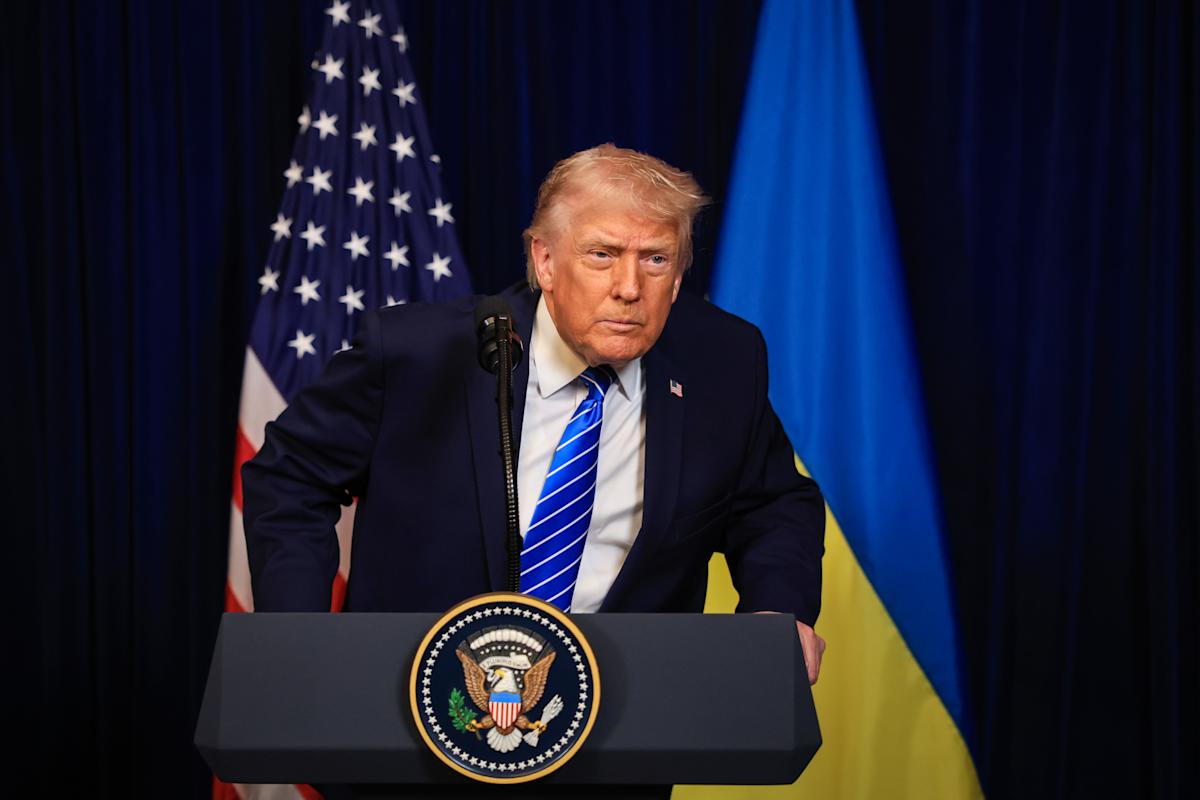
As the new year approaches, the landscape of U.S. tariffs continues to shift, reflecting the current administration's stance on trade. Since the onset of 2025, the average tariff rate has surged from approximately 2.5% to over 15%, marking a significant increase in less than a year during President Trump's second term.
Looking ahead to 2026, experts suggest that substantial reductions in tariff rates are unlikely. The most recent data from the Tax Foundation indicates an average applied tariff rate of 15.8% in the U.S., while the Yale Budget Lab reports a slightly higher effective average tariff rate for consumers at 16.8%. These figures represent the highest levels of tariff rates seen in the past eight decades.
In his latest tariff modifications, President Trump notably lifted tariffs on several products, such as coffee and cocoa, in November. However, the overall trend remains focused on maintaining current tariff levels. A review of anticipated tariffs for 2026 indicates a pervasive expectation that rates will stabilize around 15%.
Economic Perspectives on Tariff Stability
Bloomberg Economics articulated in a recent note that the global economy is adapting to a sustained period of U.S. protectionism. Bank of America CEO Brian Moynihan expressed a similar view during a CBS interview, suggesting that tariff rates may stabilize at this 15% mark, although he acknowledged potential exceptions that could arise.
As the Supreme Court deliberates on the legality of some existing tariffs, it's noteworthy that many analysts predict that even if certain regulations are repealed, replacement tariffs could be quickly imposed to maintain current rates. A JPMorgan analysis proposed that the administration could utilize "Section 122" to uphold tariffs for an interim period while establishing longer-term solutions.
Future of Tariffs Amid Election Dynamics
Looking forward to the electoral landscape of 2026, some analysts predict pressure to alleviate tariff burdens due to concerns regarding consumer affordability. However, President Trump appears committed to his tariff strategy, recently asserting on social media that "Tariffs are creating GREAT WEALTH, and unprecedented National Security for the USA."
Trade Representative Jamieson Greer reinforced this sentiment, describing 2025 as "the year of the tariff," and suggesting that the administration's approach is effective. In terms of fiscal impact, the tariff revenue collected until November 2025 totaled approximately $236.16 billion, although this number slightly dipped after certain goods were excluded from tariff penalties.
Challenges for Businesses in a Tariff-heavy Environment
Businesses face challenges in navigating tariff conditions for 2026, with limited options to preemptively stockpile imports or adjust production locations without incurring steep costs. Deloitte’s recent analysis confirms expectations of tariffs stabilizing at around 15% early in the year, cautioning that companies with prior stockpiles will still need to replenish their inventory at current rates.
Industry observers note that, while some minor adjustments might occur, major changes to the tariff system seem improbable, with experts stating that tariffs are likely a permanent fixture in U.S. trade policy under the current administration. Economist Terry Haines emphasized that "tariffs are here to stay," highlighting that this stability may provide clarity for investors regarding future economic strategies.
For ongoing updates and insights on economic news, visit Yahoo Finance.
Click here for the latest economic news and indicators to help inform your investing decisions
Read the latest financial and business news from Yahoo Finance