.png)
Trump's Unconventional Letter Diplomacy: A New Approach to Trade Talks
- Small Town Truth

- Jul 19, 2025
- 2 min read
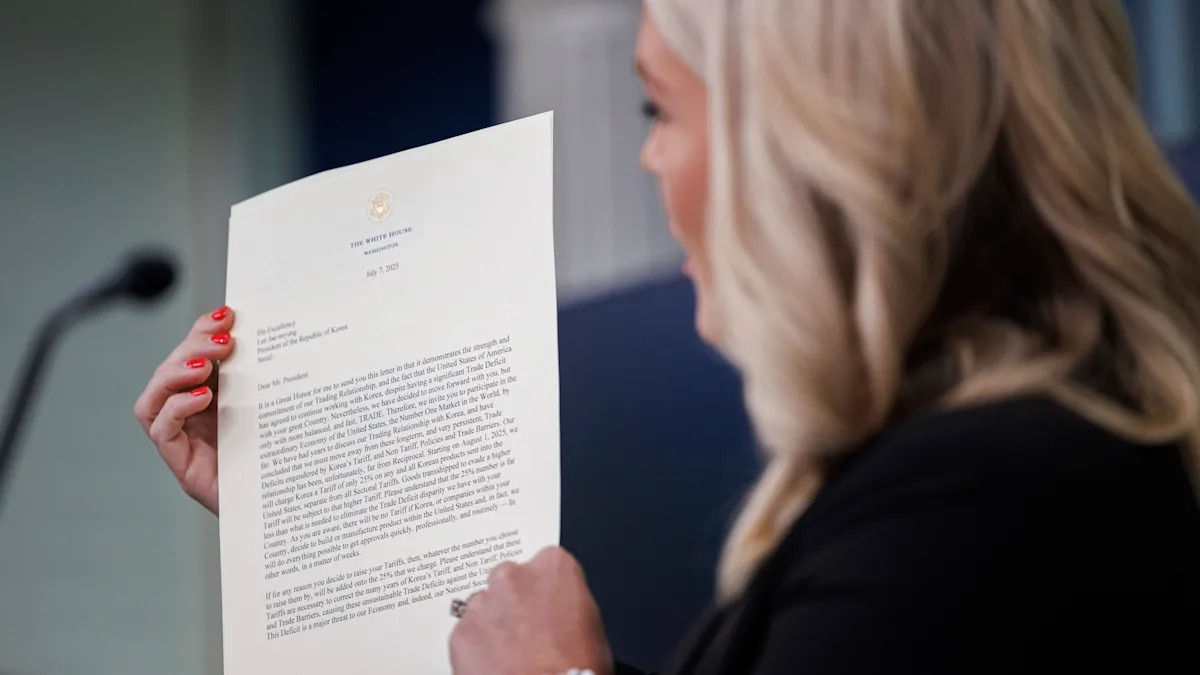
In a rather unconventional approach to international relations, President Donald Trump has reintroduced the concept of "letter diplomacy." While traditionally associated with historical figures and long-distance communication, Trump's recent letters to over 50 nations mark a shift towards unilateral communication in trade policy rather than traditional negotiations.
The letters, which outline proposed tariff rates, have caught many foreign governments off guard. A notable example includes Vietnam, where officials were reportedly under the assumption that ongoing negotiations were still active when Trump declared a 20 percent tariff via an open letter, leaving them surprised by the sudden announcement touted by the administration.
One letter sent to Brazil has raised particular concerns, as it appears to leverage economic pressure to influence domestic issues. In this correspondence, Trump indicated that a 50 percent tariff would be imposed unless Brazil's Supreme Court dismissed charges against former President Jair Bolsonaro. In response, President Luiz Inacio Lula da Silva instructed his officials to return the letter should it be delivered physically.
Navigating Unilateral Declarations
Trump's letters fall in line with a historical pattern of unilateral foreign policy assertions by U.S. presidents. These declarations include the Monroe Doctrine and the Truman Doctrine, both of which asserted U.S. interests and interventions in other nations' affairs. Such commands, particularly in trade, have precedent, as seen in historical tariff acts like the Smoot-Hawley Act of the 1930s.
Furthermore, while letters have historically functioned as binding agreements in diplomatic exchanges, Trump's strategy appears to deviate from this norm. The letters lack the mutual consent typically seen in diplomacy, presenting as fixed demands rather than invitations for collaboration.
The public release of these letters through social media, alongside formal diplomatic channels, adds a layer of transparency, albeit one that comes with complications. Such public displays may be perceived as performative, giving the impression of activity where substantive negotiations are lacking.
The Context of Trump's Communication Tactics
The administration's actions might stem from frustration over the slow pace of negotiations with foreign partners. In April, bold predictions were made about securing a multitude of deals, but actual outcomes have fallen short of expectations, with Secretary of the Treasury Scott Bessent acknowledging that many recipients of the letters "never even contacted us."
Extending deadlines for negotiations reflects a lack of engagement on the part of other nations. This tactic of issuing letters in place of phone calls indicates a shift from face-to-face discussions to a more distant form of communication. Trump's previous interactions with foreign leaders have similarly relied on unconventional methods, including public letters to Kim Jong-un and Turkey's Erdogan.
Trump's approach toward diplomacy seems to echo sentiments attributed to Winston Churchill regarding the art of diplomacy—though in this case, it raises questions about whether effective dialogue can be conducted through abrupt declarations made public.
As this unconventional method unfolds, its effectiveness and impact on international relations remain susceptible to scrutiny, particularly as traditional diplomatic norms face disruption.