.png)
Trump’s Tariffs: Rising Consumer Prices on Essential Goods Looming
- Aug 20, 2025
- 2 min read
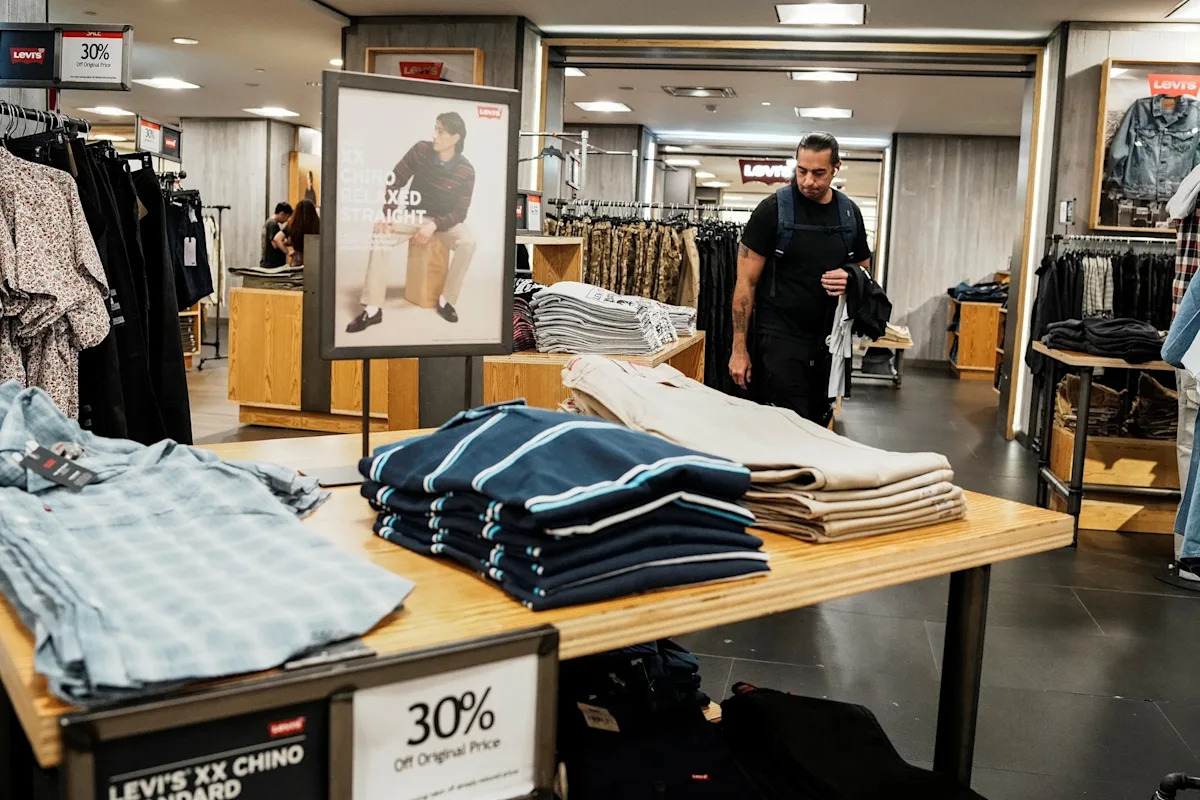
As President Donald Trump’s tariffs continue to shape the economic landscape, concerns are mounting over the potential for rising prices on essential goods. Although inflation has remained stable in recent months, some experts believe the relief may be temporary as the effects of tariffs become more pronounced. Experts attribute the current decrease in inflation partly to an influx of imports that occurred prior to the implementation of tariffs. This advance stockpiling enabled retailers to offer goods at stable prices for a limited time, absorbing some of the added costs associated with tariffs. However, as inventory levels dwindle and profit margins shrink, price increases appear inevitable. Laura Veldkamp, an economics and finance professor at Columbia Business School, warned, “Once everybody runs out of stockpiled inventory, everybody will be losing money. They’ll raise prices and it will be passed onto the consumer. It’s just a matter of when.” Recent reports indicate that Trump’s tariffs have escalated the effective average tariff rate to 18.6%, a peak unseen since 1934. The Yale Budget Lab projects these measures could result in an added cost of approximately $2,400 per household this year. So far, the anticipated inflationary pressures linked to tariffs have not fully materialized, with the overall inflation rate standing at 2.7%. This is slightly below the 3% rate recorded in January, prior to Trump’s inauguration. On social media, Trump proclaimed that tariffs have not instigated inflationary issues in the U.S., asserting, “Tariffs have not caused Inflation, or any other problems for America, other than massive amounts of CASH pouring into our Treasury's coffers.” He added that “Consumers aren’t even paying these Tariffs, it is mostly Companies and Governments, many of them Foreign, picking up the tabs.” However, several economists foresee an uptick in inflation in upcoming months. Wholesale prices have surged unexpectedly, with rising costs attributed, in part, to these tariffs. Core inflation, which excludes the volatile categories of food and energy, registered a 3.1% increase year-over-year, reflecting a slight rise from the previous month. Kyle Handley, an economics professor at the University of California, San Diego, emphasized that diminished inventory will soon lead businesses to raise prices. “We’re getting close to when some companies will run out. People will start to feel it,” he stated. Spencer Platt/Getty Images - PHOTO: Containers are loaded and unloaded from cargo ships at Port Liberty on August 07, 2025 in Bayonne, New Jersey. Perishable goods, such as vegetables, present a unique challenge since they cannot be stockpiled, which is pushing prices higher as supply diminishes. Major retailers, including Walmart, have already indicated that consumers could expect price increases to manage tariff-related costs. Elizabeth Renter, a senior economist at NerdWallet, noted that while companies might absorb some costs to maintain customer loyalty, this strategy has limits. “Companies may try to hold off on raising prices to hang onto their customers, but they can only do this for so long,” she explained. <p class="mb-4 text-lg md: