.png)
Trump's Tariffs Face Financial and Legal Challenges Amid Small Business Strain
- Aug 6
- 2 min read
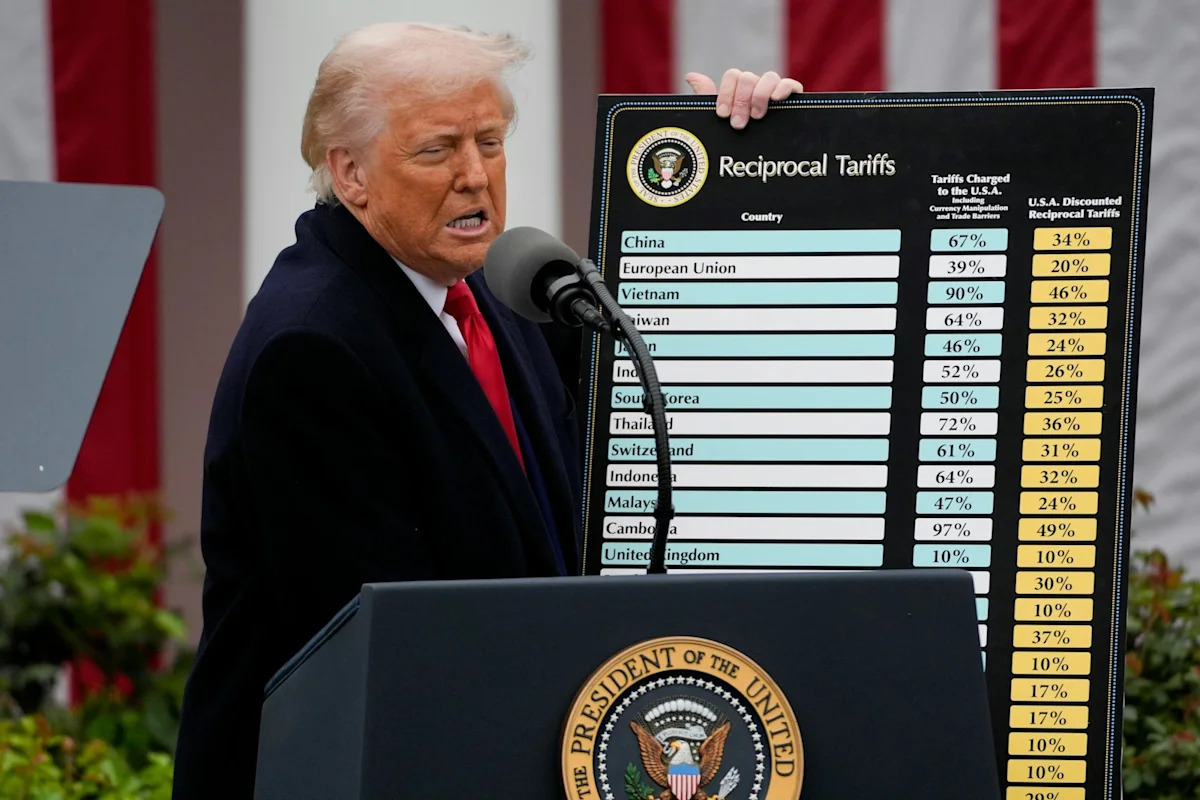
Former President Donald Trump's tariffs, initially intended as a key component of his economic strategy, are now the subject of significant legal and financial scrutiny. Recent developments indicate that the consequences of these tariffs are proving more costly than anticipated for the government.
A court filing made by Customs and Border Protection (CBP) official Brandon Lord revealed that, by July 31, approximately $100 billion has been set aside to compensate companies affected by Trump's import levies. This sum reflects the increasing financial burden resulting from what has been labeled as illegal tariffs imposed by the previous administration.
The memo outlines that the refund program, designed to process claims related to these tariffs, has received over 252,000 requests for refunds covering 25.1 million imported goods. This influx of claims highlights the widespread impact of the tariffs on small businesses across the country.
Despite these substantial refund claims, the total reimbursed thus far does not fully address the financial obligations stemming from Trump’s tariff policies. According to Lord's filing, the government has accrued around $166 billion from these tariffs, indicating that only 60 percent of debt owed to businesses has been disbursed.
This situation arises amidst a class action lawsuit filed by a coalition of small businesses, which argues that significant hurdles still exist for them to retrieve their legally entitled refunds through CBP.
While tariffs were a focal point of Trump’s second term agenda, a ruling from the ultra-conservative Supreme Court in February deemed that his tariff initiatives, enacted under the International Emergency Economic Powers Act, exceeded the authority granted to him, effectively undermining his economic policies.
Despite the setbacks, Trump continues to promote his tariff initiatives. In a recent interview with Fox News, he stated, "Tariffs have been incredible. We’ve taken in hundreds of billions of dollars." He also noted that while the Supreme Court presented challenges, modifications could still be made to his approach to tariffs.
However, further initiatives are not without legal complications. Following his recent attempts to impose new duties under Section 301 of the Trade Act of 1974, Trump faced immediate legal challenges. Economic law experts expressed skepticism about the legality of this approach, suggesting it may not align with established legal precedents.