.png)
Trump Proposes $2,000 Tariff Rebate Dividend Plan for Americans
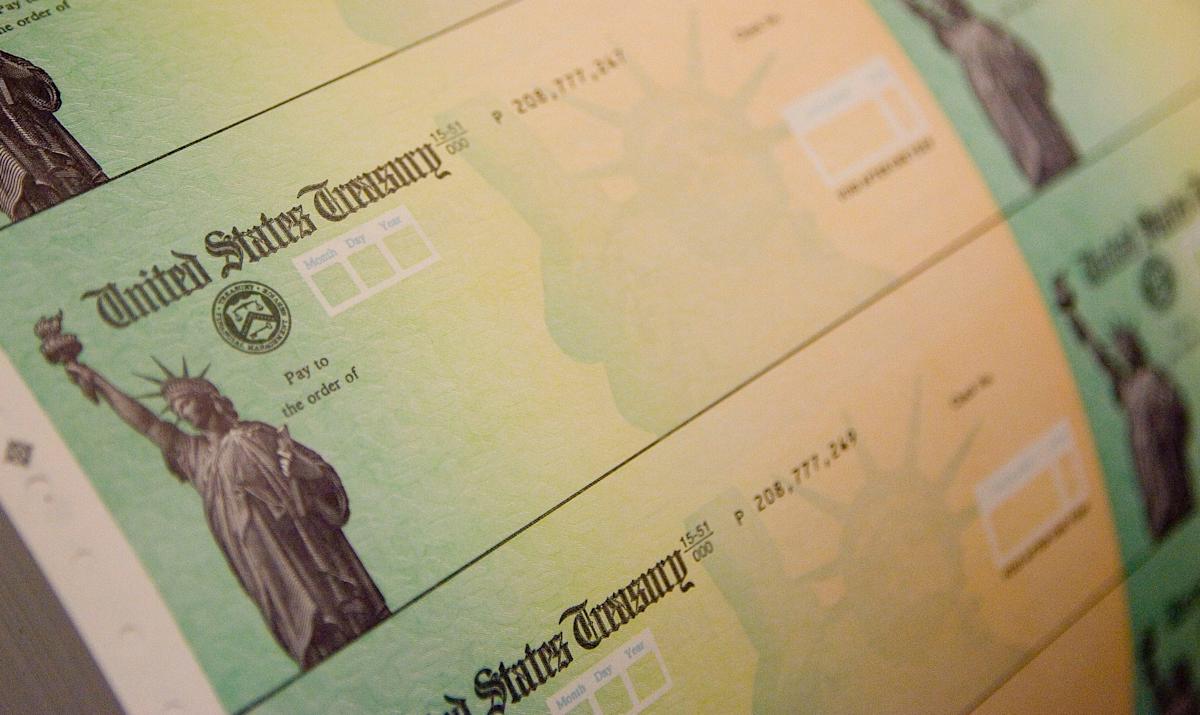
President Donald Trump has reaffirmed his intention to provide a $2,000 tariff rebate dividend to most Americans, a plan that remains under consideration within the White House. This announcement was made by White House Press Secretary Karoline Leavitt during a briefing, emphasizing the administration's commitment to exploring feasible methods for implementing the tariff dividend payment.
Leavitt noted, "The president made it clear he wants to make it happen," indicating a proactive approach to the proposal, which is derived from the revenue generated through tariffs. This intent contrasts with prior comments from Treasury Secretary Scott Bessent, who suggested the distributive plans surrounding the tariff dividends could take various forms, including tax deductions on certain income types.
Trump has publicly advocated for this plan on social media platforms, arguing for a direct financial relief approach. In a recent Truth Social post, he urged Senate Republicans to redirect funds currently allocated to insurance companies for healthcare, saying these should instead go directly to citizens for better healthcare options.
In his social media statements, Trump contended, “People that are against Tariffs are FOOLS! We are now the Richest, Most Respected Country In the World, With Almost No Inflation, and A Record Stock Market Price." He asserted the feasibility of a $2,000 payment to individuals, excluding high-income earners, aiming to utilize tariff revenues to alleviate the national debt.
The Structure of the Tariff Dividend Plan
While the specifics of this tariff dividend remain undefined, Trump has referenced previous plans that sought to return government revenue from tariffs to taxpayers. In July, he proposed similar ideas, suggesting checks akin to those issued during the pandemic.
This concept of a tariff rebate was encapsulated in legislation introduced by Senator Josh Hawley, known as the American Worker Rebate Act of 2025, which aimed to provide checks ranging from $600 to $2,400 to families. However, this initiative has yet to pass through Congress.
Commenting on the viability of the proposed $2,000 dividend, budget experts have raised concerns regarding the sufficiency of the current tariff revenues in relation to the proposed payments. As of September 30, approximately $195 billion in tariff-related revenue was generated, which indicates a shortfall when compared to the potential payout demands of such a dividend structure.
Comparison to Previous Stimulus Checks
Trump's latest payment proposal echoes earlier pandemic-era stimulus checks which provided financial relief to individuals and families. Eligibility criteria for these payments varied, allowing for individuals earning up to $75,000 and couples making up to $150,000 to qualify for full payments, with reduced amounts for higher-income individuals.
While speculation about further stimulus checks continues to circulate, both Congress and the IRS have not confirmed any new programs. Current discussions highlight the difference between rebates, dividends, and stimulus checks, each serving different economic purposes.
Moving forward, Trump has suggested defining the target group for his proposed tariff payments to focus on middle- and lower-income individuals. He stated, "We’re going to issue a dividend to our middle income people and lower income people of about $2,000," aiming to leverage tariff revenues to also address national debt concerns.
As it stands, the idea of a $2,000 tariff dividend remains a concept without a concrete plan. The White House continues to weigh its potential implementation against financial realities, maintaining open lines of discussion on the matter.