.png)
Trump Proposes $2,000 Checks Funded by Tariffs for Low-Income Households
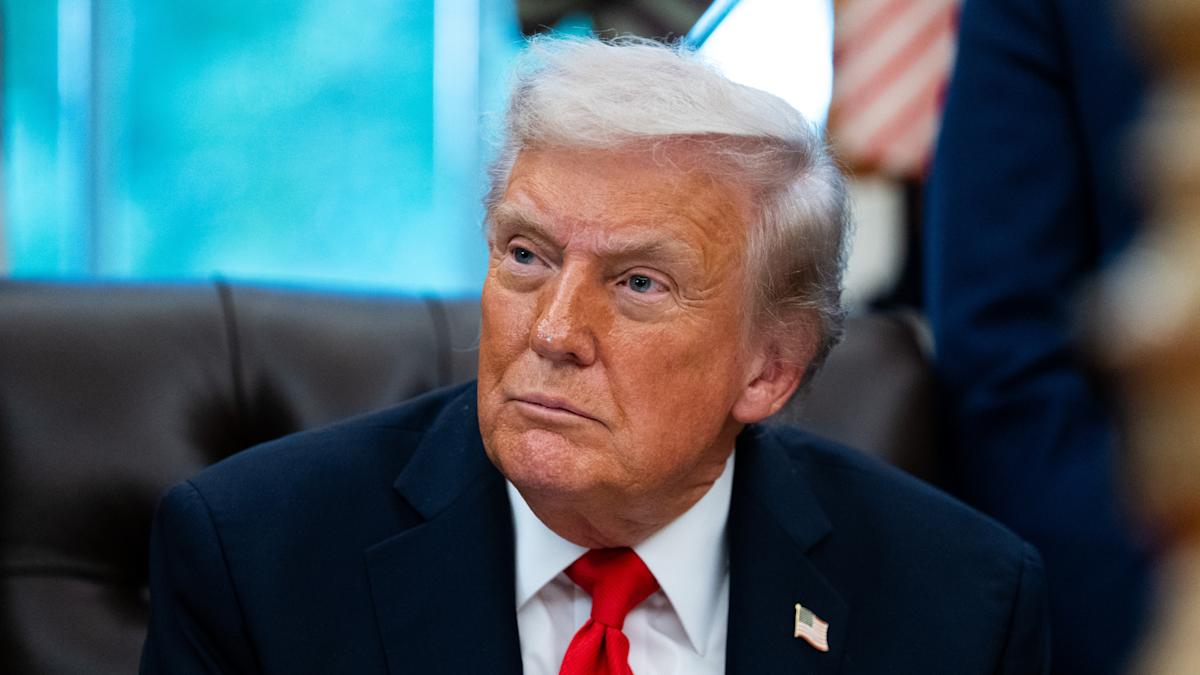
Amid discussions on economic support, former President Donald Trump has introduced a bold proposal that would provide $2,000 checks to Americans. Dubbed a “tariff dividend,” this initiative aims to be funded through increased tariffs on imported goods.
This proposal has elicited both interest and uncertainty, as many details remain unresolved. To clarify the situation, here are six essential points regarding Trump's suggested $2,000 checks about the initiative.
The funds for these payments would originate from tariff revenues collected at U.S. borders. The more revenue generated from tariffs, the larger the potential payments could be.
In a recent post on Truth Social, Trump specified that these checks would not extend to high-income earners, suggesting that households making under $100,000 might qualify for the payments, based on remarks from Treasury Secretary Scott Bessent during an appearance on Fox News’ “Fox and Friends.” However, he noted that “no final decisions have been made,” according to Reuters.
While the proposed checks are intended for low- to middle-income households, there are concerns about the feasibility of funding. Notably, an analysis by Alex Durante in the Los Angeles Daily News highlights a potential funding gap. “There are roughly 150 million Americans earning under $100,000 a year, meaning at a minimum this policy would cost $300 billion," Durante stated, adding that this leaves nearly $90 billion unaccounted for to meet funding needs.
Realizing such a payment system would also need congressional backing. This could prove challenging, especially considering a significant federal spending plan has already been passed this year. “Convincing 217 members of the House and 50-60 Senators to further increase that amount is an uphill battle,” remarked Sarah E. Adkisson, JD, LL.M, tax director at Eisner Advisory Group LLC.
As the situation unfolds, the U.S. Supreme Court is currently reviewing the administration's authority on tariffs, which could significantly influence the availability of funds for the proposed checks or determine the viability of Trump's plan. “Even in the best of circumstances, I wouldn’t expect any movement in legislation until after the Supreme Court rules on the tariffs,” Adkisson noted, cautioning that a negative ruling could effectively render the proposal obsolete.