.png)
Trade Policy Shifts: Trump Targets Tariffs and Trade Deals Globally
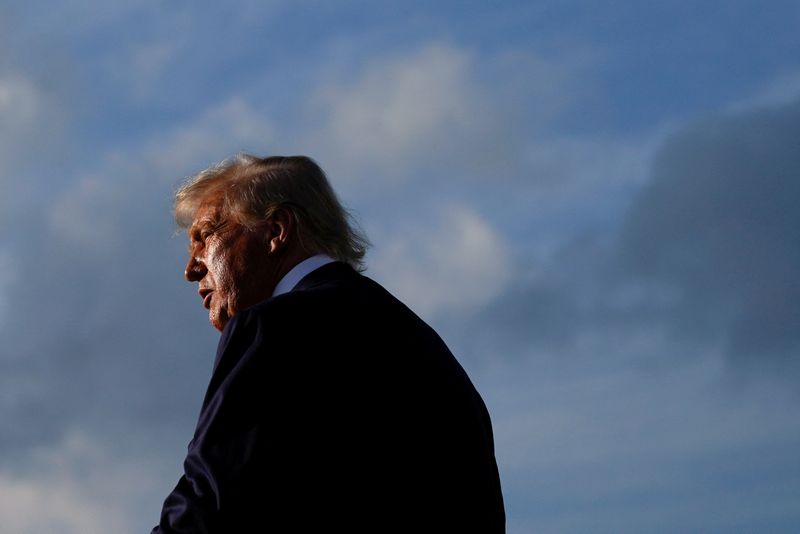
The trade landscape is shifting as President Donald Trump reveals new strategies regarding tariffs and international agreements. On Wednesday, he indicated that the United States is likely to pursue strict tariff implementations with Japan, while concurrently hinting at a potential trade deal with India, building off recent negotiations with Indonesia.
During a meeting with Bahrain's Crown Prince Salman bin Hamad Al Khalifa, Trump announced, "We have some pretty good deals to announce." This statement precedes a planned discussion on trade matters with the Bahraini leader, underscoring the importance of these negotiations in U.S. foreign policy.
Trump highlighted tariffs set to take effect on August 1, noting the imposition of a 25% tax on imports from Japan and South Korea, as well as separate tariffs for various other nations. Notifications are expected to be sent out shortly to numerous smaller countries regarding a new uniform tariff rate exceeding 10%.
The recent deal with Indonesia, announced earlier this week, fits into a broader strategy aimed at addressing trade imbalances ahead of the August deadline for increasing tariffs on a wide range of U.S. imports. This push aligns with the Trump administration's goal to renegotiate the trade rules that have established global economic patterns over the last few decades.
Market reactions to these trade policies have been tumultuous, with fears of new inflation waves emerging as a significant concern among financial analysts. In an effort to address these issues, Kevin Hassett, Trump's chief economic advisor, suggested that more trade agreements are on the verge of being finalized, although specific details have not yet been disclosed.
Looking ahead, Trump reiterated his optimism about forging a deal with India, where a tariff rate of 26% currently applies to imports. Meetings are underway in Washington with an Indian trade delegation, suggesting that dialogues could lead to significant changes.
As negotiations continue, European Union officials are also making efforts to engage with the U.S. on tariff discussions. EU trade chief Maros Sefcovic is set to meet with U.S. Commerce Secretary Howard Lutnick and Trade Representative Jamieson Greer. Meanwhile, Trump’s administration is considering a 30% tariff on EU imports, a situation that European leaders have deemed unacceptable, warning of potential disruptions to normal trade relations between two giant economic markets.
Greer emphasized the administration's overarching goal of reducing the U.S. trade deficit of $1.2 trillion and improving the country's advanced manufacturing sector. As Trump pursues a uniform tariff rate of 10% across the board, higher rates are reserved for countries perceived as 'problematic,' with China facing the steepest tariffs at 55%. The administration has expressed willingness to negotiate trade terms that encourage foreign investment in the U.S.