.png)
Tariffs Under Trump: Temporary Relief or Looming Price Increases?
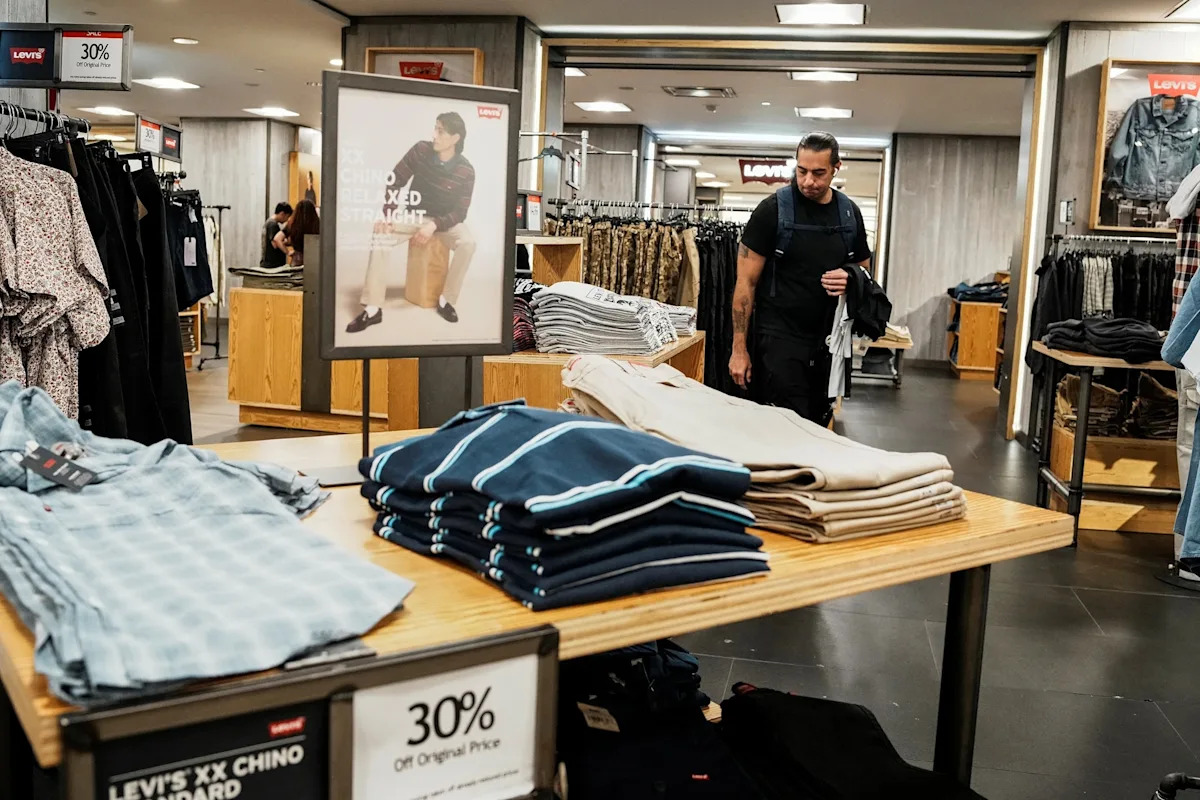
As the economic landscape continues to evolve, President Donald Trump's tariffs have emerged as a focal point, prompting fresh discussions about their long-term impact on consumer prices. Initially, concerns arose over potential price surges for everyday goods ranging from tomatoes to sneakers. However, the inflation landscape has shifted since Trump took office, leading to unexpected results. While many economists initially warned that tariffs would fuel inflation, recent declines in inflation rates suggest a temporary reprieve for consumers. Nevertheless, signs indicate that this relief could soon wane. Experts caution that the influx of imports before the implementation of tariffs allowed businesses to purchase non-tariffed goods, keeping prices relatively stable for now. Despite the current stability, the consensus among economists is that businesses will soon run out of their stockpiled inventory, leading to increased costs being passed on to the consumer. Laura Veldkamp, an economics professor at Columbia Business School, stated, “Once everybody runs out of stockpiled inventory, everybody will be losing money. They’ll raise prices and it will be passed onto the consumer. It’s just a matter of when.” According to research from the Yale Budget Lab, the average effective tariff rate has risen to 18.6%, the highest level seen since 1934. This has significant implications, as households are expected to incur an additional cost of approximately $2,400 this year due to these tariffs. Historically low increases in prices, despite the tariffs, can be partly attributed to retailers absorbing some of the costs. Yet, this strategy may not be sustainable. As the inflation rate holds at 2.7%, below the pre-Trump level of 3%, the potential for future price increases looms as companies face diminishing profit margins. Trump has publicly claimed that tariffs haven't contributed to inflation, asserting, “Tariffs have not caused Inflation, or any other problems for America, other than massive amounts of CASH pouring into our Treasury's coffers.” However, economists maintain that the effects of tariffs might soon become visible as businesses exhaust existing inventory levels, leading to higher prices for consumers. Recent government data indicated a rise in wholesale prices that surpassed economists' expectations, reinforcing the belief that tariffs are influencing production costs. The core inflation rate, which excludes volatile sectors like food and energy, increased by 3.1% over the year through July, representing a slight rise from the previous month. As companies begin facing the reality of their stock limitations, consumers may soon experience shifts in pricing. “Every company has a different level of stock in their warehouses and they’re running out of those at different rates,” explained Kyle Handley, an economist at the University of California, San Diego. “We’re getting close to when some companies will run out. People will start to feel it.” Industries dealing with perishable items like vegetables encounter particularly pressing challenges, as they cannot stockpile goods ahead of tariffs. Major retailers, including Walmart, have already signaled upcoming price hikes to counterbalance the financial strain from tariffs. Additionally, automotive giants like Volkswagen and General Motors reported over $1 billion in losses attributable to tariff-induced costs, further highlighting the wide-reaching impact of these policies. Experts from NerdWallet, including Elizabeth Renter, noted that while companies might attempt to absorb the costs temporarily to maintain customer loyalty, they cannot sustain this indefinitely. “Companies may try to hold off on raising prices to hang onto their customers, but they can only do this for so long,” Renter stated. As the back-to-school shopping season approaches, consumers could soon see price increases in clothing and vehicles, with varying impacts on different product categories as tariffs take effect. Renter highlighted that consumers are unlikely to encounter a sudden hike in prices