.png)
Tariffs Impact U.S. Shipping and Manufacturing Amid Economic Uncertainty
- Small Town Truth

- Oct 9, 2025
- 2 min read
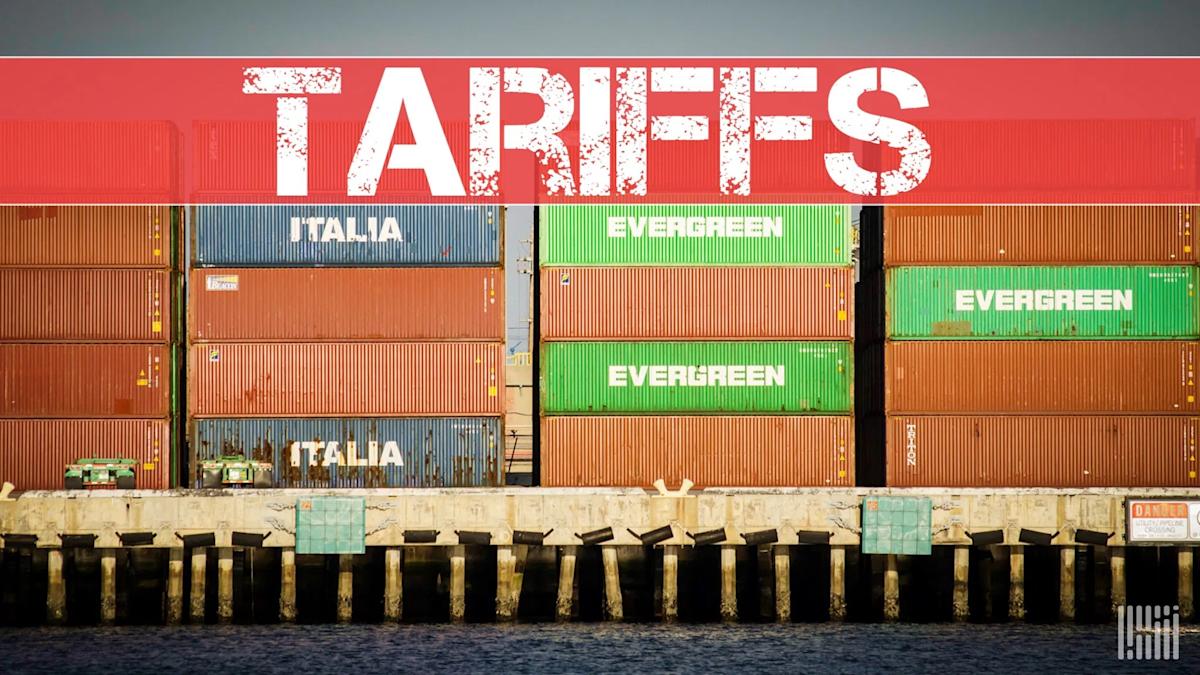
The imposition of new import tariffs by the Trump administration is creating a ripple effect across the U.S. shipping and manufacturing sectors, prompting companies to adapt quickly amid a backdrop of economic uncertainty. These tariffs, which include a 25% duty on imported medium- and heavy-duty trucks, are part of a broader strategy that also targets various industrial inputs and manufactured goods originating from China and India.
Market Response to Tariff Changes
Transportation-technology expert Marc Schaffer from Breakthrough describes the current market environment as an "extended freight recession." With minimal growth in shipping volumes, many companies are focusing on cost control while maintaining their relationships with carriers in anticipation of future market changes. According to Schaffer, "It’s almost just kind of funneled to this like near zero percent growth year-over-year," indicating a lack of significant decision-making amid market volatility.
Challenges for Small Carriers
The proposed tariff on trucks is likely to disproportionately impact smaller carriers, complicating their fleet management and replacement strategies. Schaffer noted that the challenges come at a time when financing costs are already high and excess capacity further strangles fleet options. He highlighted that stakeholders are still waiting for detailed guidance following the Section 232 investigation, which initiated these tariff discussions.
Customer Adaptations
In a similar vein, Vinny Licata, the head of logistics and import compliance at Fictiv, named transparency regarding duty costs as a crucial aspect for customers trying to navigate the changing landscape. "We see [tariffs] as the new normal," Licata remarked, explaining that Fictiv's platform now offers real-time updates on duty rates. This capability enhances visibility for manufacturers who are contemplating relocating their production facilities.
Shifts in Manufacturing Trends
Fictiv operates in a range of locations, producing mechanical components and serving the U.S. manufacturing sector. As companies reconsider their supply chains, there has been a notable increase in nearshoring activities, particularly in Mexico under the USMCA framework. Licata pointed out that while larger corporations have the luxury to absorb tariff costs and enhance local facilities, smaller manufacturers continue to face struggles. However, he anticipates a resurgence of manufacturing in the U.S., albeit more technologically advanced and automated than before.
The Role of Data and Technology
Both Schaffer and Licata agree that leveraging technology and data will be essential for companies to navigate these turbulent times. Breakthrough clients are increasingly using data analytics to enhance efficiency, such as optimizing shipping routes and reducing empty hauls. Schaffer emphasized this point: "It’s all about using data to make smarter decisions" amid rising operational costs.
Future Outlook
Looking ahead to 2026, industry experts anticipate continued slow growth in freight, coupled with minor rate increases ranging from 2% to 3%. The ongoing impact of tariffs, combined with thin profit margins and regulatory uncertainties, is expected to challenge the resilience of the supply chain industry. "Until we get more definitive information and clarity," Schaffer remarked, "companies will keep doing what they’re doing—trying to hold steady and control what they can."
The evolving tariff landscape remains a critical focal point for shippers and manufacturers as they adapt to the complexities of international trade and domestic policy changes.