.png)
Tariffs Impact Consumer Prices: Companies Bracing for Future Increases
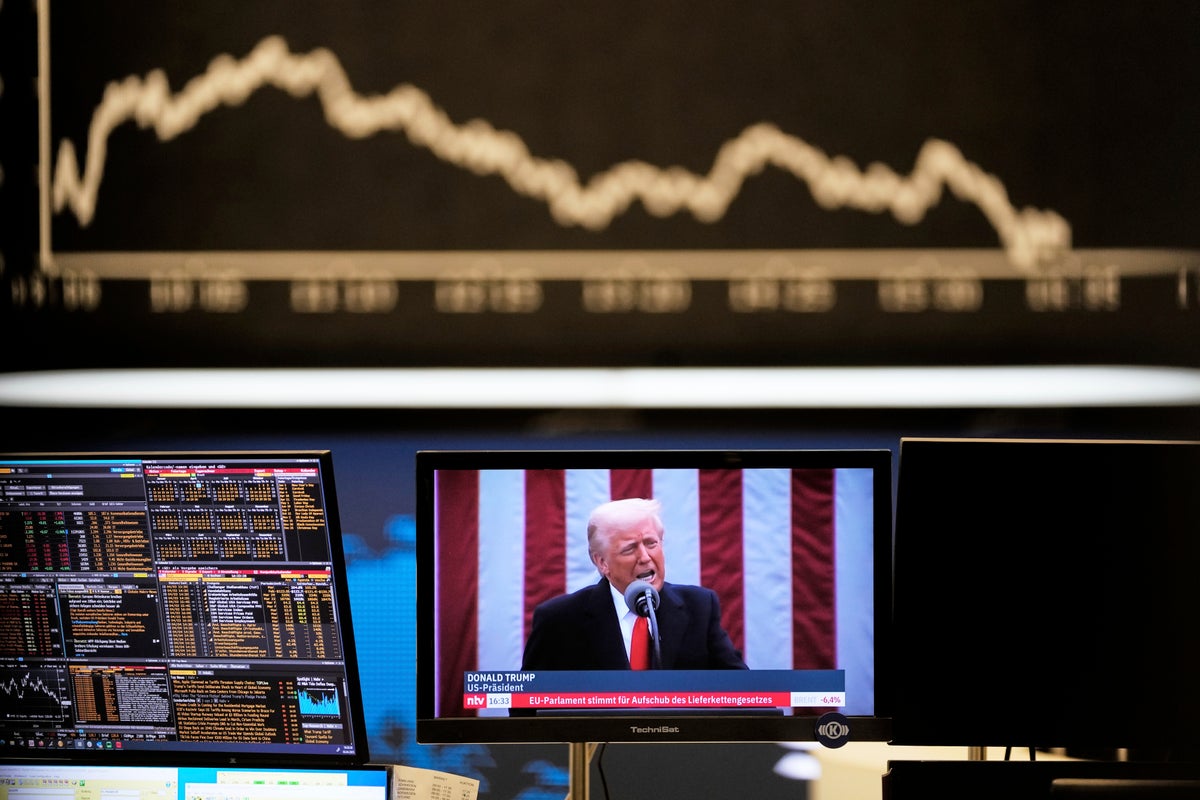
Recent analyses indicate that nearly 40 percent of the tariffs imposed by Donald Trump on foreign imports have been passed on to consumers. This figure is expected to rise as companies continue to feel the pressure of these tariffs.
Even larger manufacturers who have managed to mitigate some of the tariff-induced costs are now expressing concerns. They warn that persistent tariffs could eventually lead to increased prices for their products. According to research from Goldman Sachs, of the tariffs implemented since April, 37 percent has been absorbed by consumers, 9 percent by suppliers, while companies have managed to absorb 51 percent of the costs through August.
Although the immediate financial impact on consumers has been limited, industries such as automotive manufacturing have cautioned that their ability to shield customers from price hikes is dwindling.
This analysis follows a recent inflation report indicating that U.S. inflation remains elevated but the monthly price increases were less severe than anticipated. The Labor Department's findings revealed a 3 percent rise in consumer prices year-over-year for September, up from 2.9 percent in August. Core prices, which exclude food and energy, also increased by 3 percent, albeit a slight decrease from the previous month's 3.1 percent.
These statistics illustrate a conscious effort by corporations to maintain low prices amidst rising costs, although many recognize that investors may not tolerate continued narrow profit margins indefinitely.
Some analysts believe that the reluctance to increase prices may stem from a hope that the White House will reconsider its significant import tariffs, particularly those imposed on Chinese goods. Michael McAdoo, a partner at BCG, noted in an interview with The New York Times that many clients have absorbed the costs of the tariffs, expecting an eventual stabilization in the economic climate.
However, a shift in strategy appears to be emerging among businesses. "Some are trying to squeeze the foreign supplier, and some are trying to improve their own operations, and some are using pricing," McAdoo informed the publication.
In addition, many companies that preemptively stocked products prior to the tariffs are now facing diminished inventories, particularly smaller businesses that do not have extensive resources. Richard Rosenfeld, owner of Two Leaves and a Bud, a tea company based in Colorado, stated that more price increases are "absolutely" forthcoming, anticipating multiple rounds of price hikes next year as the impact of tariffs radiates through their supply chains.
As the tariffs persist, companies are bracing for an inevitable adjustment in pricing, reflecting ongoing concerns about the broader economic landscape.