.png)
Tariff Troubles: Canadian Auto Parts Face Increased Customs Scrutiny
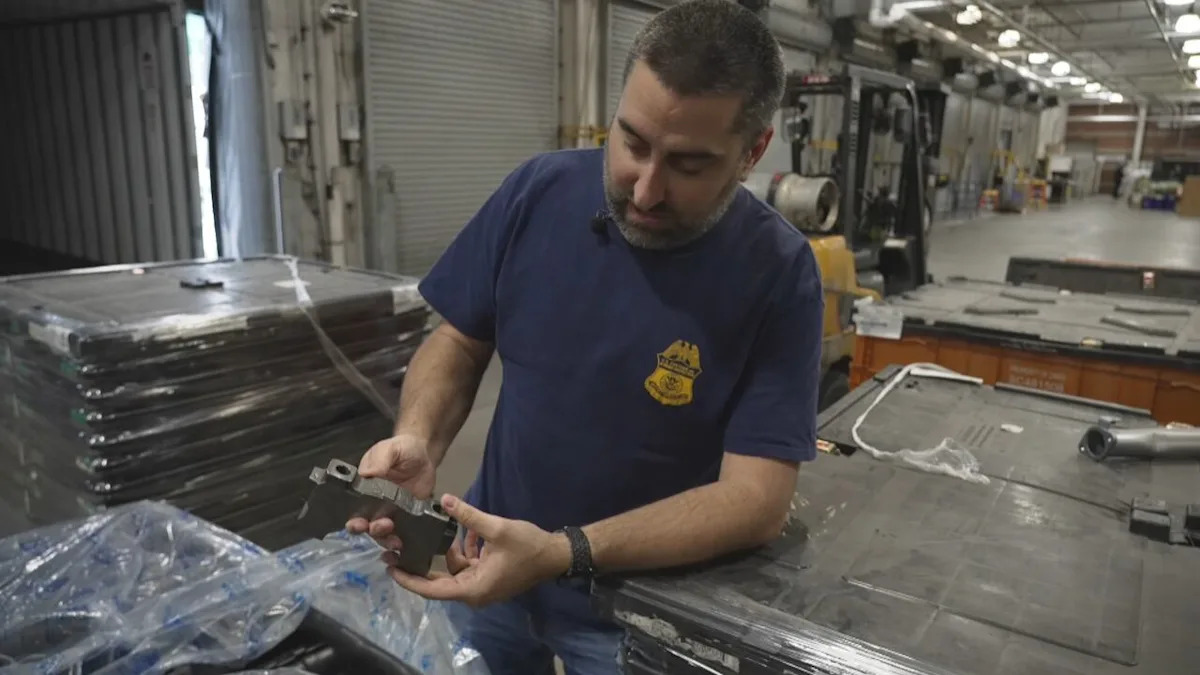
Automotive parts crossing into the United States from Canada are subject to careful scrutiny as they enter through the Ambassador Bridge in Windsor, Ontario, the busiest land border in North America. Recent inspections by U.S. Customs and Border Protection (CBP) reveal complexities in tariff classifications that could significantly impact businesses. Import specialists, such as Marc Ballelli, are tasked with assessing whether items like a steel rod classify as auto parts or raw steel, a distinction that can result in dramatically different tariff rates—50% for steel compared to exemptions for Canadian-made auto parts. Ballelli notes that discrepancies in classification might lead to penalties and unexpected costs for importing companies, which are increasingly feeling the financial strain. "They will classify this as an auto part but this is a steel tube," Ballelli explained, emphasizing the potential for significant financial repercussions. The changing landscape of international trade has transformed the once straightforward process into a high-stakes endeavor. Manufacturers like Kaycee Vasudeva of Ultra-Form Manufacturing report losing customers and laying off staff as new tariff regulations complicate operations. Rising Compliance Needs Vasudeva has made adjustments to his workforce, hiring two new employees dedicated solely to navigating the increasingly complex tariff documentation. "If I'm shipping it direct to the USA and that’s what we do quite a bit, that’s what gives us the headache," he stated, highlighting the newfound complications in an area that once required minimal oversight. The stress associated with compliance is palpable, as companies now find themselves second-guessing their customs paperwork more than ever before. "This is the first time we are having this challenge of tariff and custom people bothering us," Vasudeva added. Import specialists like Ballelli also receive calls from businesses seeking clarity on product classifications. He assists companies in navigating the customs maze, which may sometimes prevent costly misclassifications. "So instead of paying 25 percent, they're ending up only have to pay 15 percent," he noted, illustrating the potential savings from correct tariff handling. Judy Staudt, assistant director at the CBP's Automotive & Aerospace Center of Excellence and Expertise, remarked on the escalation of tariff issues, saying, "The additional tariffs are becoming fast and furious, right? Some of it is genuine mistakes, but then there’s, you know, outright fraud also happening." Recent trade statistics from the CBP indicate a striking rise in recovered funds from tariff penalties, increasing from $667.55 million in fiscal year 2024 to a staggering $32.95 billion in 2025. Canadian firms are now moving past the initial shock of tariff implementation and focusing on strategic adjustments to minimize costs while ensuring compliance. Increased Scrutiny for Shippers Trade experts like Ray Fischer from Doane Grant Thornton point to heightened scrutiny in customs practices as a significant shift for companies accustomed to simpler cross-border shipping. Customers express frustration, questioning why they must now justify practices that had been routine in the past: "They said, 'Well, that’s the way we’ve been doing it for years. We’ve never had a problem,'" Fischer recounted. Fischer contends that the complexities of current trade agreements demand expert input rather than relying on basic online resources. "It’s not that the rules have changed. It’s just the declarations are being scrutinized a lot more by customs," he explained. Changes in regulatory expectations represent a major shift for many in the Canadian automotive sector, as outlined by Joy Nott, a partner with KPMG. "There was no risk associated with the border. And if