.png)
Tariff Relief for Brazilian Food Aims to Alleviate U.S. Consumer Costs
- Nov 21, 2025
- 2 min read
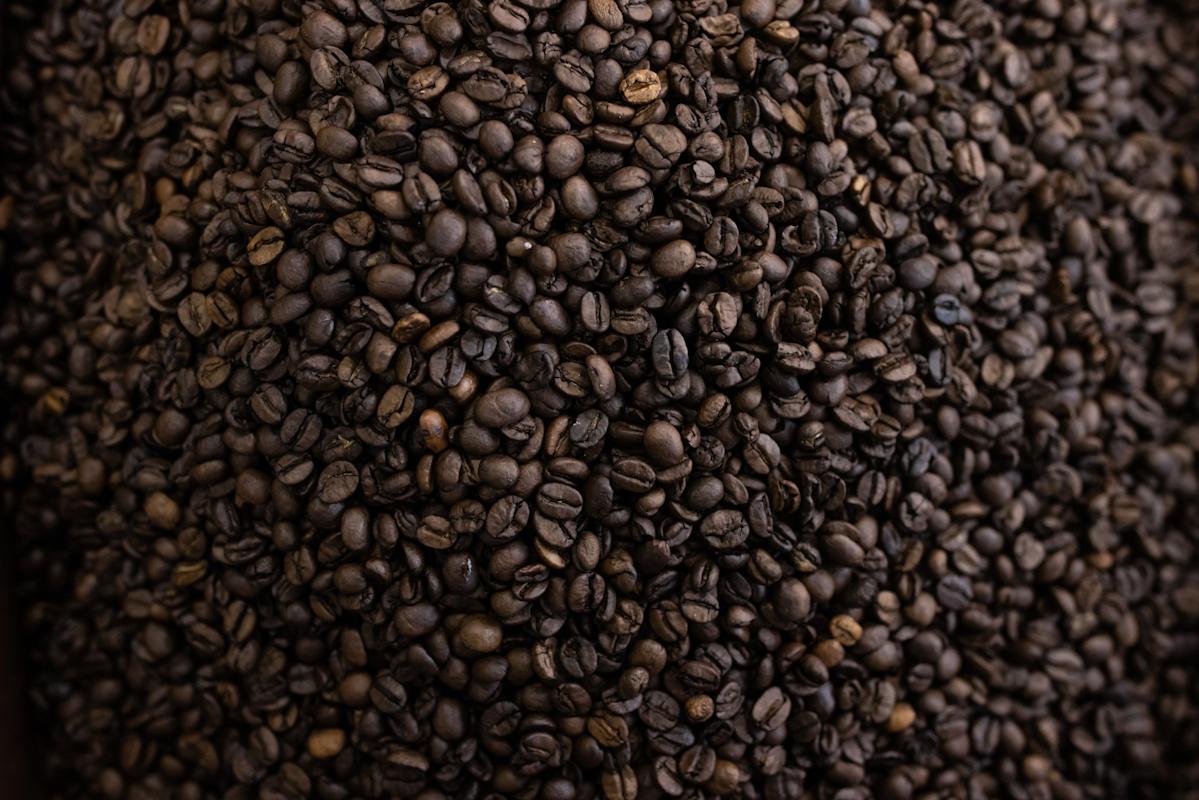
Overview of Tariff Relief on Brazilian Food Products
In a recent move aimed at alleviating economic pressures faced by American consumers, President Donald Trump has broadened the scope of tariff exemptions for Brazilian food products. This adjustment comes in response to mounting dissatisfaction among U.S. voters regarding the rising cost of living.
Trump’s executive order, signed on Thursday, removes a 40% tariff on numerous popular food items imported from Brazil, which he had imposed earlier this year. Last week, he also reduced a separate 10% duty on these items but initially did not include the higher tariff, which had been part of a strategy to penalize Brazil in connection with the legal proceedings against former President Jair Bolsonaro.
Details of the Tariff Changes
The new tariff changes will be retroactive to November 13. Following the announcement, Brazilian President Luiz Inacio Lula da Silva expressed his satisfaction, stating at the Sao Paulo auto show, “Today I’m happy, because President Trump has already started to reduce some of the tariffs levied on some Brazilian products.”
This relief is expected to lower prices on essential items such as coffee, orange juice, and beef, which have seen increased prices due to these tariffs. Brazil is recognized as the world’s leading exporter of coffee and beef, and prior to the tariffs, it accounted for a significant portion of coffee imports into the U.S. Brazilian beef shipments had also been growing due to a shortage in the North American cattle industry.
Impact on U.S.-Brazil Relations
The tariff adjustments represent a notable win for Lula’s administration, which has worked diligently to persuade Trump to reconsider these duties. Carlos Fávaro, Brazil’s agriculture minister, remarked, “Diplomatic and friendly relations between Brazil and the US were reestablished the moment the two leaders sat down and talked, with no topics off limits.”
"The American and Brazilian people both benefit. The Americas benefit since its two largest powers are once again working in convergence," he added.
Previous Tariff Hikes
For several months, Brazil faced elevated tariffs of 50% as part of Trump’s broader trade policies aimed at addressing the political turmoil surrounding Bolsonaro. Trump’s tariffs on Brazilian products had been enacted as a means of exerting pressure regarding Bolsonaro’s ongoing legal issues.
High-level discussions between the U.S. and Brazil resumed after the two leaders met briefly in September in New York, with an ensuing meeting last month in Malaysia, where Lula advocated for lifting duties and removing sanctions on Brazilian officials.
Industry Reactions
The Brazilian Beef Exporters Association and Cecafé, a Brazilian coffee exporters group, welcomed the decision. “We are celebrating,” said Marcos Matos, director general of Cecafé. “All we wanted was to create isonomy, especially after the order on reciprocal tariffs.”
Administration's Goals
This recent tariff revision aligns with the Trump administration’s efforts to address rising consumer costs, particularly following recent electoral results that highlighted concerns over the economy. Officials have pointed out that these exemptions are part of a strategy to target products not produced domestically in adequate quantities after forming trade agreements with significant partners.
“What happened is the president said... it’s time. Let’s just wipe the slate clean,” stated Commerce Secretary Howard Lutnick. He further emphasized the administration's focus on enhancing affordability for American households.