.png)
Supreme Court's Decision on Trump's Tariffs Could Change Business Landscape
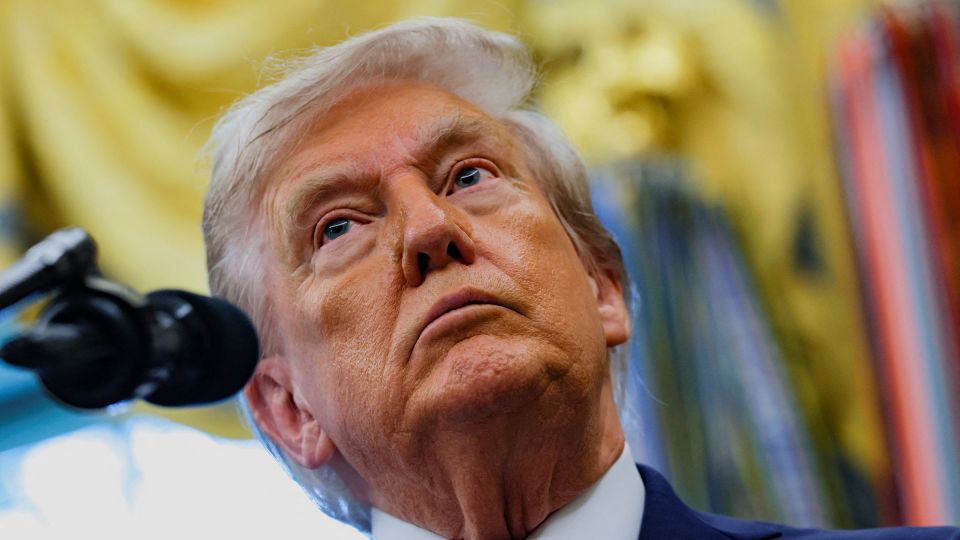
Supreme Court Appeals Could Impact Trump's Tariffs and Refunds
In a significant development for businesses affected by tariff policies, a federal appeals court has ruled that many tariffs imposed by former President Donald Trump may have been unlawful. This ruling opens the door to possible refunds for American companies that have paid billions in duties.
As of late August 2023, American businesses had incurred over $210 billion in tariffs that have been deemed illegal by the courts. The tariffs, which have included rates as steep as 145% on imports from China and up to 50% on products from India and Brazil, were instituted under the International Emergency Economic Powers Act (IEEPA) but were challenged in court regarding their legality.
Following the court's ruling, Trump announced plans to appeal to the Supreme Court, which must decide whether to take up the case before a deadline set for October 14. He emphasized the importance of the ruling, stating, “It’s a very important decision, and frankly, if they make the wrong decision, it would be a devastation for our country.” If the Supreme Court sides with the appeals court, it could halt the tariff collections and allow businesses to seek refunds.
Legal experts indicate that while the Supreme Court's decision is pending, current tariffs are likely to remain in place. If the court rules against Trump's administration, the implications for how refunds would be administered remain uncertain. Possible scenarios include the government refunding all improper tariff payments or requiring businesses to file their own claims for reimbursement.
Thomas Beline, a trade attorney, noted that since the initial ruling in May, he has been advising clients on how to file administrative protests with U.S. Customs and Border Protection. This process allows businesses to keep their claims open for refunds while navigating the ongoing legal situation, although immediate liquidity remains a pressing concern for many affected companies.
Despite the potential for refunds, the return of hundreds of billions in tariff revenue could have broader economic implications. The Treasury Department, which has had these funds in its general fund to mitigate borrowing levels, could face challenges if forced to issue more government bonds to compensate for lost tariff income. Ed Mills, a Washington policy analyst, warned that significant refund distributions might lead to increased Treasury yields as the government attempts to attract investors.
In this complex economic landscape, there are concerns that substantial tariff refunds could reignite inflationary pressures reminiscent of previous years. Gary Hufbauer, a senior fellow at the Peterson Institute for International Economics, cautioned that ongoing budget deficits and rate-setting pressures could complicate financial stability further.
Currently, the situation remains fluid as businesses await the Supreme Court's decision, which will ultimately determine both the legality of Trump's tariffs and the fate of the substantial sums of money at stake for American importers.