.png)
Stagflation Threats: Tariff Impacts and Labor Market Vulnerabilities
- Aug 10, 2025
- 2 min read
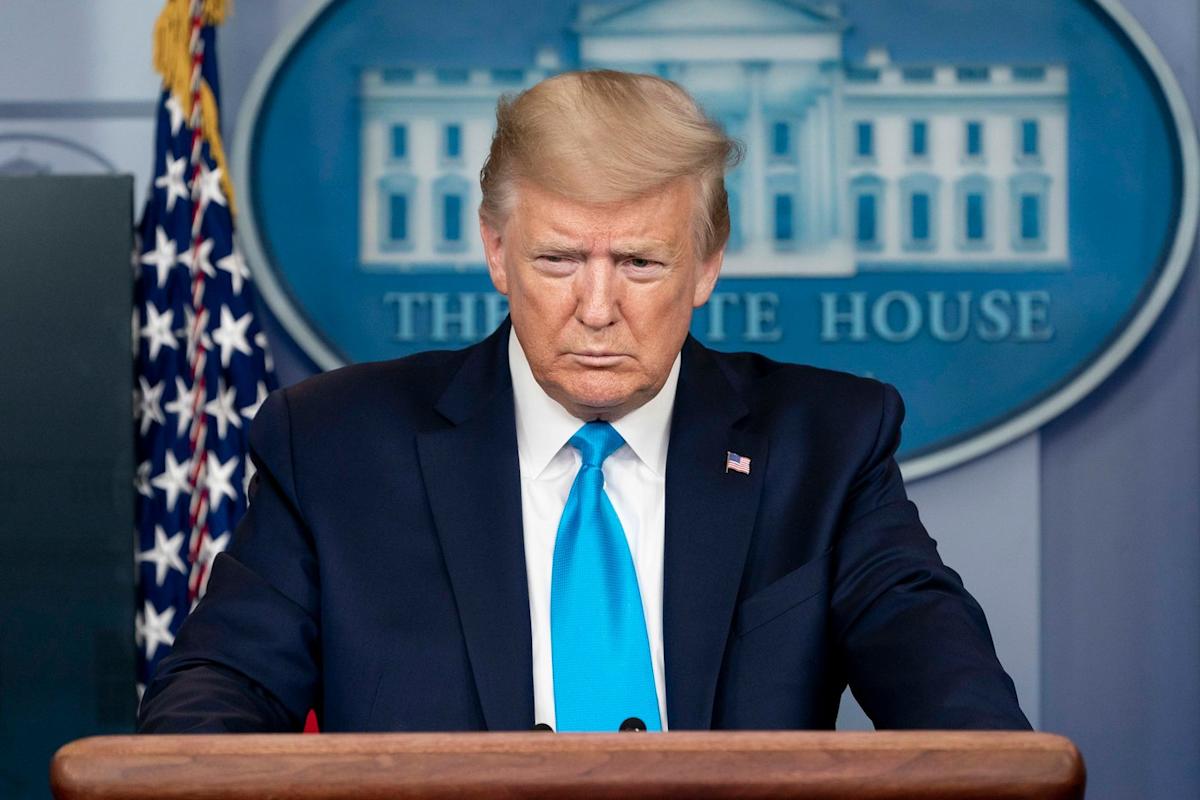
Economists and investors are increasingly concerned about the potential for stagflation—a situation characterized by stagnant economic growth, high unemployment, and rising inflation. This challenging scenario poses a significant dilemma for the Federal Reserve, as traditional strategies to combat inflation or stimulate the economy cannot be effectively applied. The impact of recent trade policies implemented under the Trump administration adds to these concerns.
The trade policies, including the introduction of a 10% global tariff and reciprocal tariffs targeting numerous countries with which the U.S. has trade imbalances, are contributing to inflationary pressures. In July, the U.S. Bureau of Labor Statistics reported a rise in the annual inflation rate from 2.35% in May to 2.67% in June. This shift marks the first sign of how these tariffs are influencing price levels in the economy.
Implications of Tariff Policies
In a detailed analysis published by economists at the New York Federal Reserve, concerns regarding tariffs were articulated. The study indicated that the tariffs imposed on China during Trump’s first term had adverse effects across various sectors. Specifically, public companies affected by these tariffs experienced declines in sales and productivity, suggesting that tariffs often lead to increased costs for businesses, which could further compound inflation issues.
Recent forecasts from the Federal Open Market Committee estimate that core inflation will reach 3.1% by the end of 2025, a slight increase from previous predictions of 2.8%. This anticipated rise is closely linked to the continuation of tariffs and their impact on pricing in the domestic market.
Current Labor Market Trends
While inflation rises, the labor market shows signs of weakness. The Bureau of Labor Statistics reported significant downward revisions in job gains for May and June, suggesting potential vulnerabilities. Despite a low unemployment rate of 4.2%, these adjustments hint at an underlying fragility in job creation.
Market Reactions and Fed Perspectives
Amidst these concerns, Fed Chair Jerome Powell has urged caution, indicating that while stagflation might be on the horizon, it is not an immediate threat. Powell stated, “We have warned of it, but it is not something that we are facing or that we expect to face.” Nevertheless, uncertainty in the market often results in increased volatility among major stock indexes such as the S&P 500, the Dow Jones Industrial Average, and the Nasdaq Composite.
Despite the challenges presented, historical data suggests resilience in these indices. Research indicates that bear markets tend to last less than ten months on average, while periods of economic expansion typically extend over five years. This long-term perspective helps investors maintain confidence in recovery and growth, despite short-term difficulties.
As the market continues to react to these economic indicators and policy changes, informed investment strategies will be crucial. For those considering opportunities in the stock market, some analysts suggest exploring alternatives to the S&P 500 to seek potential high returns.
For further insights into stocks that may outperform the S&P 500, click here.