.png)
Sony Seeks $508 Million Refund Amid Rising PlayStation Prices
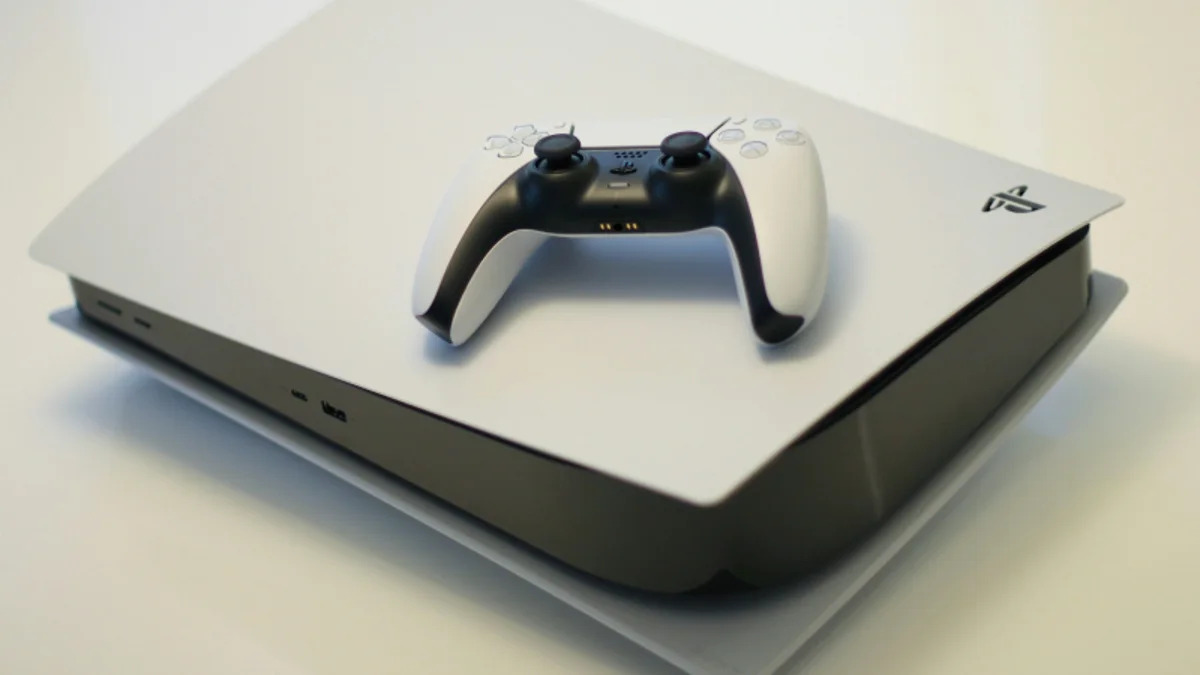
Sony's recent decision to seek a substantial refund of $508 million from the U.S. government has stirred discussions, particularly regarding the impact on PlayStation customers who have borne the brunt of rising console prices. This refund comes in the wake of a landmark Supreme Court ruling that challenges the authority of the President in imposing tariffs. The financial turnaround is rooted in the Supreme Court's 6-3 decision in the case of Learning Resources, Inc. v. Trump, issued on February 20. The ruling asserts that under the International Emergency Economic Powers Act (IEEPA), the President does not possess the authority to administer tariffs. This pivotal judgment has the potential to release between $133 billion and $175 billion in refunds for tariffs across various industries. Revenue Boost Amid Price Increases During a July 31 earnings call, Sony's CFO Lin Tao disclosed that the company anticipates receiving around ¥80 billion in total refunds for the current fiscal year (April 1 to March 31), indicating that approximately 70%, or around $356 million, has already been collected in the second quarter of 2026. The majority of these funds are earmarked for the gaming division, which has been reporting strong financial performance. Notably, the timing of this financial boon coincides with increased retail prices for the PlayStation 5. The console's price initially started at $500 in early 2025 and saw a gradual rise to $550 by August of the same year, reaching $650 in April 2026—just two months post ruling. Sony's Game & Network Services segment, which includes the PlayStation brand, reported a remarkable 37% year-over-year increase in operating income, totaling ¥202 billion for the first quarter that ended June 30, 2026. This surge in revenue is largely attributed to the aforementioned tariff refund. Customers have initiated a class action lawsuit, claiming that this refund results in a "double recovery," as Sony raised prices while simultaneously seeking reimbursement for the tariffs. The lawsuit illustrates consumer concerns about paying inflated prices while the manufacturer benefits from government reimbursements. In response, Sony filed to dismiss the lawsuit on September 1, contending that the pricing history for the PlayStation does not support the class action's claims. "If tariffs were the cause of the price increases," the company stated, "one would expect [PlayStation] to lower prices once the tariffs were eliminated—not raise them again." Other major industry players are echoing similar sentiments; Nintendo and Microsoft have filed complaints highlighting that buyers have received their purchased products as advertised and that there is no legal requirement for tariff refunds to be passed on to consumers. In dissent, Justice Brett Kavanaugh noted the potential for the government to be liable for refunds to importers who paid these tariffs, mentioning that "some importers may have already passed on costs to consumers or others." Sources:

