.png)
Record Highs in Financial Markets Amid Trump's Economic Proposals
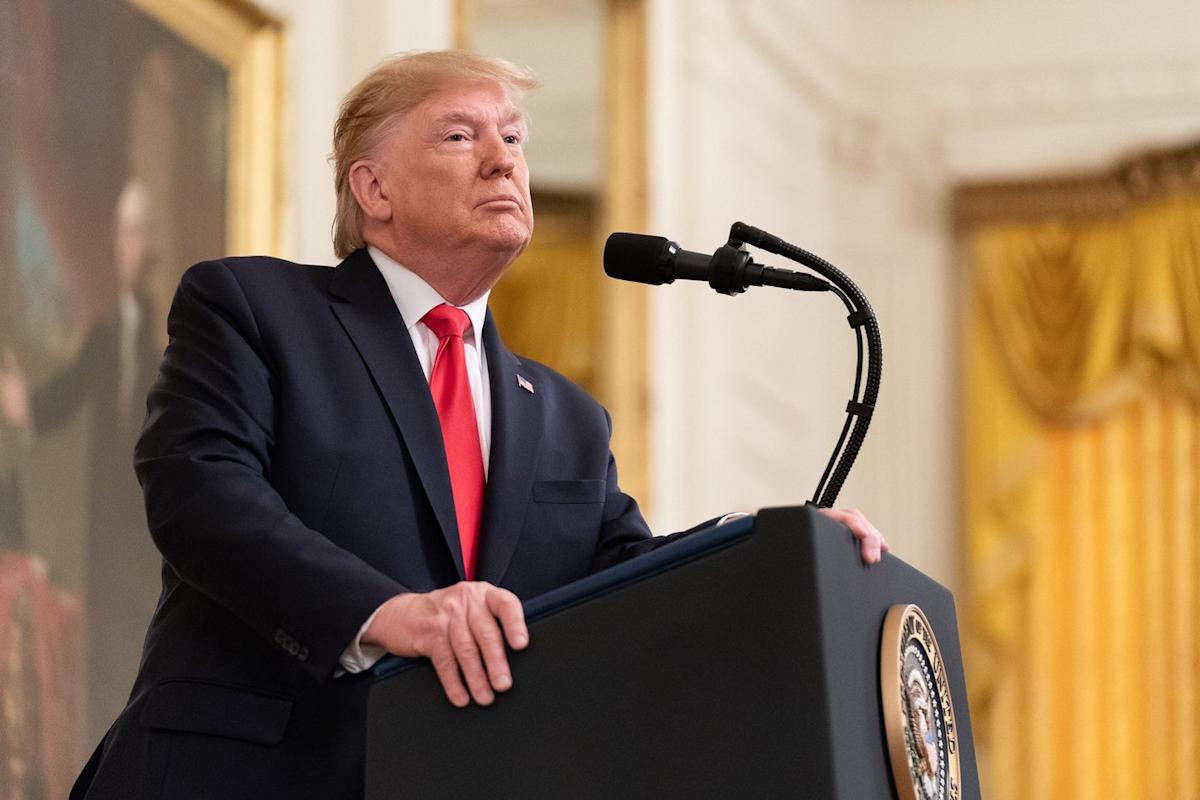
Record Highs and Proposed Stimulus: Analyzing Economic Impacts
As 2025 nears its conclusion, the financial markets have witnessed remarkable performance, with all major indices—the S&P 500, Dow Jones Industrial Average, and Nasdaq Composite—reaching unprecedented highs. This significant growth comes during a complex economic backdrop, including rising inflation and the longest government shutdown in U.S. history, which was resolved on November 12.
In a recent announcement through Truth Social, President Donald Trump shared an informal proposal aimed at delivering at least $2,000 to taxpayers, excluding those in higher income brackets. The initiative would be financed by tariffs, sparking discussions among taxpayers and on social media platforms.
The proposed measure, while appealing in theory, raises concerns regarding its long-term implications on the economy. Many experts highlight that the immediate financial relief for citizens might lead to more significant economic challenges in the future.
During Trump’s administration, various policy changes have been implemented, including adjustments to the Social Security Administration that have made it leaner through layoffs. His administration also solidified the permanency of the individual tax brackets established by the Tax Cuts and Jobs Act while introducing new incentives aimed at certain workers.
However, it is Trump’s tariff and trade policies that have drawn considerable attention. Earlier this year, he introduced a 10% global tariff and increased reciprocal tariffs on countries with trade imbalances with the U.S. This framework would potentially support the funding of his envisioned stimulus checks if enough tariff revenue is generated.
Despite the promising notion of offering up to $2,000 to most taxpayers, the feasibility of this proposal is uncertain. The U.S. government collected around $195 billion in customs duties during the fiscal year 2025, with projections suggesting that annual tariff revenue may peak around $200 billion over the next decade. This raises the question of whether funding such payments could exceed the budget available from tariffs.
Moreover, there are fears that the introduction of tariff stimulus checks could intensify inflation, already a pressing issue. Historical data suggests that fiscal stimulus measures during the COVID-19 pandemic contributed to a steep rise in inflation rates, a pattern that policymakers are keen to avoid repeating.
Another concern surrounds the sustainability of the economic uplift that such stimulus payments might provide. If this proposal does lead to temporary economic activity, what would follow once the funds are exhausted? The risk of a sharp economic slowdown or stagnation after the initial stimulus can create more substantial long-term economic challenges.
Furthermore, the proposal does not adequately address the growing national debt crisis. Using tariff revenue for stimulus payments could exacerbate the existing deficit issues, complicating fiscal management for future administrations.
While President Trump's intention to provide financial assistance is commendable, the potential economic repercussions necessitate careful consideration. As financial markets continue to thrive amid prevailing economic uncertainties, analysts urge caution regarding investments, highlighting alternative stock opportunities over typical indices.
For additional insights and stock recommendations, visit this link.