.png)
Navigating the Tariff Tsunami: Strategies for Business Adaptation
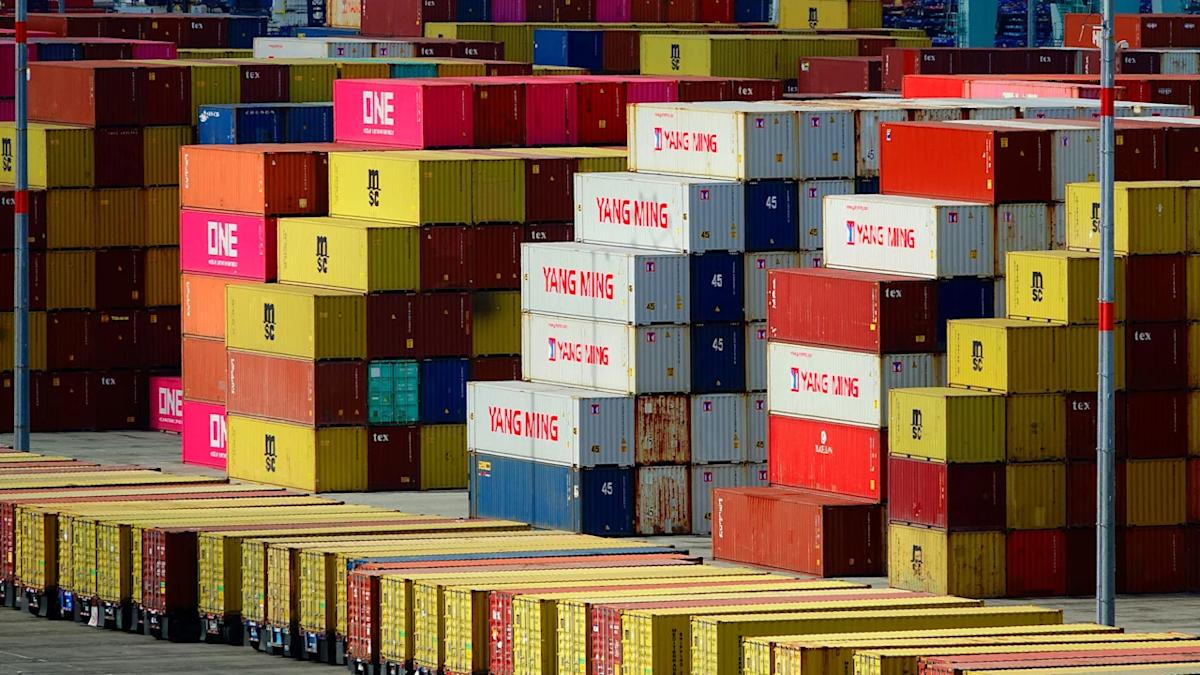
Businesses today are grappling with rising tariff rates, a phenomenon referred to as a “tariff tsunami,” coupled with the uncertainty of the global economy. This situation arises from the ongoing effects of trade tariffs introduced during the Trump administration, which continue to impact supply chains on an international scale, as noted by Forbes.
To manage these tariffs, many retailers and manufacturers are reconsidering their supply chain models, striving to deliver products to consumers while avoiding significant price increases and logistical challenges. A significant tactic employed in this process is referred to as “tariff hacking,” which involves businesses adopting a business-to-business-to-consumer (B2B2C) approach to mitigate tariff impacts, as reported by CNBC here.
In instances where products are sold directly to consumers through a retailer's website, some businesses have opted to utilize an intermediary, or “middleman company,” acting as a merchant of record. This entity, based in the U.S., purchases the items and pays the associated tariff based on the wholesale cost before shipping them directly to the consumer. This allows the original retailer to navigate tariff costs more efficiently.
James Mohs, an associate professor at the University of New Haven, elaborates on this by providing a straightforward example. He explains, “Let’s say you are a Chinese company and you have a 50% tariff coming into the U.S. and you have a subsidiary in Vietnam that has a 10% tariff. You ship it to them, and they ship it to the U.S. with a 10% tariff, and they save 40%. If you can reduce your tariff from 50% to 10%, it keeps the price of the goods relatively lower.” This methodology has been commonplace for some time, but the current tariff landscape adds complexity.
However, experts caution that this strategy may only serve as a temporary relief. Mohs notes, “Right now, it’s a short-term solution. Hard to say if it’s a long-term solution because this tariff war is in such a state of flux right now... it’s unclear whether the U.S. government will set the tariff based on the original country of origin or allow the subsidiary to act as an intermediary.”
This post originally appeared at fastcompany.com
Subscribe to get the Fast Company newsletter: http://fastcompany.com/newsletters