.png)
Legal Ruling Challenges Trump's Tariffs: Implications for Businesses and Treasury
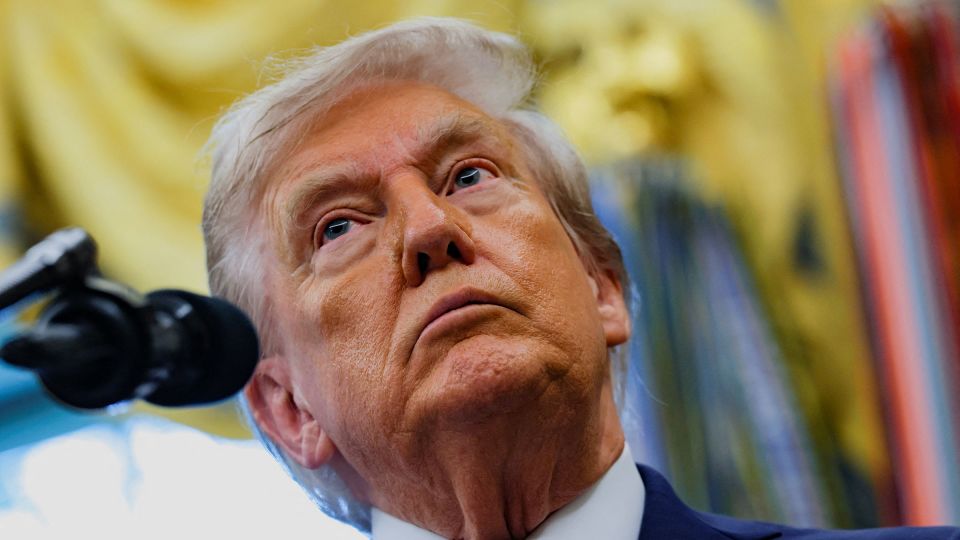
Legal Ruling Poses Challenges for Trump's Tariffs
The future of the extensive tariffs implemented by President Donald Trump during his second term hinges on a recent federal appeals court ruling. This landmark decision could not only affect the legitimacy of these tariffs but also the prospect of substantial refunds for American businesses burdened by them.
A federal appeals court ruled that Trump acted unlawfully by utilizing the International Emergency Economic Powers Act (IEEPA) to impose broad tariffs on several countries. These tariffs reached up to 50% for imports from nations such as India and Brazil, while duties on Chinese goods soared as high as 145% earlier this year.
As of late August, American businesses have collectively paid over $210 billion in tariffs that the courts have found to be illegal. Following the ruling, Trump acknowledged that if the Supreme Court upholds this decision, there could be significant financial implications for the U.S. Treasury, including the potential need to refund collected tariff revenues.
During a recent press conference, Trump stated, "It's a very important decision, and frankly, if they make the wrong decision, it would be a devastation for our country." His administration is preparing to appeal to the Supreme Court, with hopes of securing a stay on the ruling before its implementation deadline of October 14.
The Supreme Court will likely hear the case in the upcoming term starting next month. Legal experts suggest that, if the higher court finds that Trump lacked the authority to impose the tariffs under IEEPA, the Treasury would have to immediately halt these collections. However, the process for issuing refunds remains uncertain.
Various outcomes are possible regarding tariff refunds. The government could choose to refund all tariffs to importers, limit refunds only to the plaintiffs in the case, or establish an administrative process wherein importers would need to actively request their refunds. Ted Murphy, an international trade lawyer, indicated that an administrative refund process might be the most likely route.
Officials from the Treasury Department, responsible for managing tariff revenues, declined to provide details on the logistics of refund management. Trade attorney Thomas Beline noted that many clients are eager to know when refunds might occur, but cautioned that the actual process could take time. In the meantime, businesses are advised to file administrative protests to keep their options open for possible refunds.
Moreover, there appears to be interest from investment firms looking to acquire stakes in potential refunds, reflecting the urgency some businesses feel as they deal with cash flow challenges created by the tariffs.
While the possibility of refunds may excite businesses, the economic ramifications could be more complex. The Treasury has amassed hundreds of billions in tariff revenue, which has allowed the government to borrow less. A reversal of these tariffs could force the government to increase its borrowing to cover its budget, potentially leading to higher Treasury bond yields.
As an illustration, the yield on the 30-year Treasury bond reached 5%, the highest since July, amid investor concerns regarding future borrowing needs. "If this ruling is upheld, refunds of existing tariffs are on the table, which could cause a surge in Treasury issuance and yields," noted Ed Mills, a policy analyst.
Concerns about inflation may also resurface as the potential for large-scale refunds coincides with ongoing economic policies. Gary Hufbauer from the Peterson Institute for International Economics commented on how recent fiscal policies could influence inflation trends, stating that repeated large deficits could trigger inflationary pressures reminiscent of previous economic cycles.
Throughout his presidency, Trump has faced challenges related to budget deficits, with tariffs being a key element of his economic strategy. As he seeks to influence Federal Reserve policies, including potential changes in leadership, the outcome of this legal ruling may add another layer of complexity to his administration’s fiscal landscape.