.png)
House Votes 219-211 to Repeal Trump-Era Tariffs on Canada
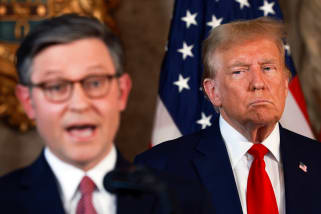
House of Representatives Votes to Repeal Tariffs on Canada
The House of Representatives recently voted to repeal tariffs imposed on Canada by President Donald Trump, with a close tally of 219-211. As this decision shifts to the Senate for consideration, many question the likelihood of success amidst a potential presidential veto and the challenges that may follow in Congress.
Debate surrounding the tariffs raises pointed criticisms against the Trump administration, highlighting perceived inconsistencies in the administration's stance on the economic impact of these tariffs, which are viewed by many as both unconstitutional and detrimental to the American economy.
Critics argue that Congress needs to reclaim its constitutional authority over taxation rather than allowing the executive branch to handle such significant powers unilaterally. The call for a clear resolution from the Supreme Court on the tariffs under the International Emergency Economic Powers Act is becoming increasingly urgent.
Only the Supreme Court can now protect Congress’ power, as many legislators have shown an unwillingness to preserve their institution’s legitimate power.
The ongoing legal challenges include V.O.S. Selections Inc. v. Trump, which addresses the tariffs’ constitutionality. On August 29, Secretary of Commerce Howard Lutnick affirmed under penalty of perjury that without these tariffs, the United States would face vulnerabilities in addressing national emergencies.
Phil Magness, a senior fellow at the Independent Institute, and others have suggested that the administration's rhetoric may change depending on the Supreme Court's rulings. This concern was echoed on December 3 when Lutnick indicated that if the Supreme Court did not rule in favor of the administration, alternative legal avenues would be pursued to maintain the tariff structure.
This variety of messages from the administration raises questions about the implications of potentially losing the legal battle over the tariffs. Treasury Secretary Scott Bessent similarly asserted that even in a defeat in the courts, the administration could establish the same tariff structures through different statutory provisions.
The administration faces scrutiny regarding claims about the tariffs’ revenue-generating nature. During Supreme Court discussions, Solicitor General John Sauer remarked that the tariffs were not primarily revenue-raising, stating that revenue increases were merely incidental. Conversely, Trump later stated that losing the legal case could complicate national financial obligations tied to the tariffs.
The U.S. Constitution grants Congress the exclusive power to tax, a principle rooted in the historical context of taxation without representation. Critics assert that the ongoing abdication of this responsibility by legislators puts American economic sovereignty at risk.
With prices on goods influenced by the tariffs, the broader implications concern the potential for driving U.S. allies closer to rival economic powers globally. Without intervention from Congress or a decisive ruling from the Supreme Court, the landscape of American tariff policy remains uncertain.
This vote reflects significant legislative pushback against the administration’s policies, underscoring ongoing debates about the balance of power within the federal government. As the legislative process continues, many will be watching how these tariffs will evolve in light of judicial review and potential congressional actions.
For further context on this issue, refer to the original article on MS NOW.