.png)
Costco Takes Bold Legal Stand Against Tariffs in U.S. Retail Landscape
- Small Town Truth

- 2 days ago
- 3 min read
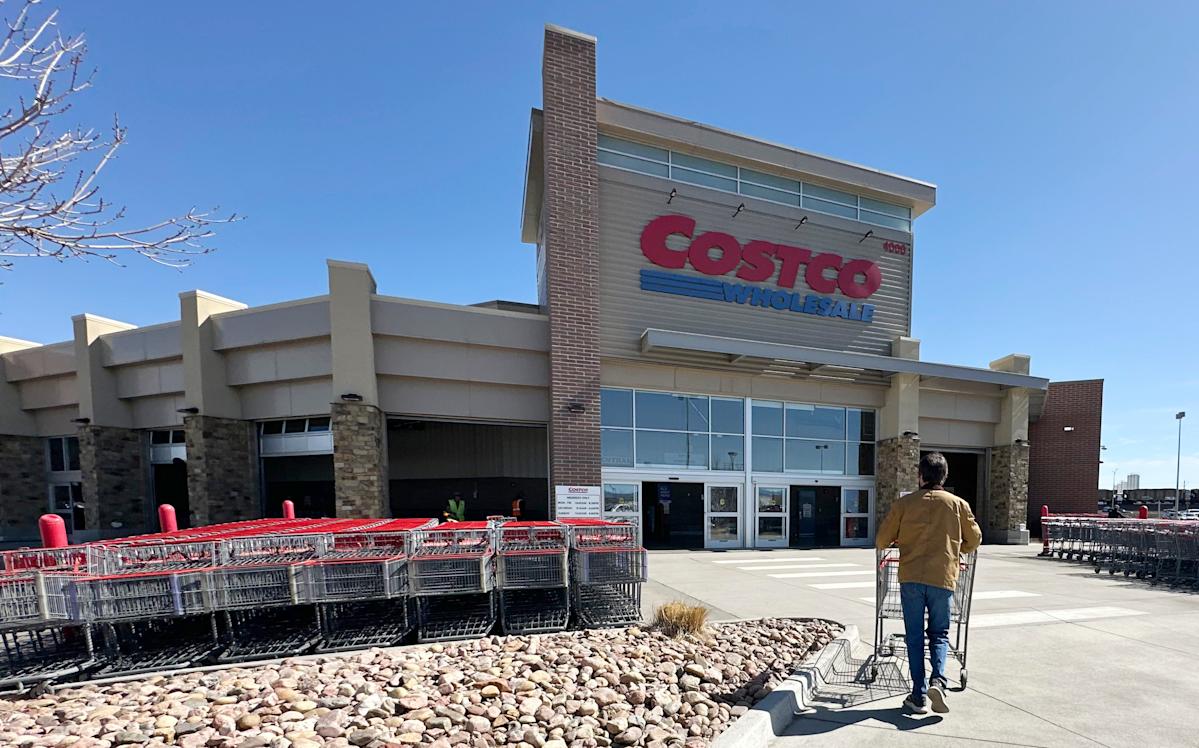
In a notable legal move, Costco has become the first major retailer in the U.S. to challenge the tariffs imposed by the Trump administration. As the retail landscape shifts under the weight of such tariffs, companies have publicly discussed their impacts. However, Costco's lawsuit reflects a significant stand against these levies, seeking a complete refund for tariff payments made this year.
The case has emerged as the Supreme Court prepares to issue a ruling on the legality of these tariffs, which the administration claims are necessary under the International Emergency Economic Powers Act. Arguments were heard last month, and a decision is anticipated in the near future that could have substantial financial implications for retailers if the tariffs are deemed unlawful.
Retail analysts have noted that Costco's decision to pursue legal action may also strengthen its position within the industry. Unlike many of its competitors, which may be hesitant to confront the administration, Costco's considerable influence and customer loyalty provide it with the ability to navigate potential repercussions effectively. As Michael Baker from D.A. Davidson observed, “They’re not alone in being impacted by tariffs... but Costco has the size and the clout with consumers, suppliers - and really everyone within the retail ecosystem - to potentially take action that won’t be viewed favorably by the administration.”
This legal action followed on the heels of Costco's commitment to maintaining its diversity and inclusion initiatives, which have set it apart in a fluctuating market. Despite challenges faced by other retailers, Costco's sales figures have remained robust; for fiscal year 2025, net sales reached $269.9 billion, marking an 8 percent increase from the previous year. The company's success has been attributed in part to its strategy of maintaining customer value and loyalty, which has proven effective even in turbulent times.
Costco's lawsuit, filed in the Court of International Trade, joins a growing list of businesses contesting the tariffs, including notable companies across various sectors. The retailer faces a deadline regarding the liquidation of tariff payments, as around a third of its sales involve imported goods.
During recent Supreme Court discussions, justices appeared to question the legality of the tariffs, indicating potential restrictions on the administration's economic policies. Nevertheless, President Trump has defended the necessity of tariffs as a means to address the trade deficit he deems a national emergency.
Experts suggest that even if the Supreme Court rules against the administration, the process of securing tariff refunds may be cumbersome. Trade law expert Marc Busch expressed skepticism about the administration's willingness to promptly enact refunds, implying that Costco's proactive legal stance represents prudent business strategy.
Retail analysts also highlight Costco's considerable independence stemming from its substantial customer base, with over 145 million members worldwide and a strong renewal rate of 92.3 percent in the U.S. This broad base allows Costco to adopt policies that prioritize customer satisfaction and value, factors that distinguish it from its competitors.
Amid the challenges of rising tariffs, Costco has employed strategies similar to other retailers, including negotiating with suppliers and selectively raising prices. The chain has even reduced prices on essential goods while increasing them on discretionary items, helping it retain customer loyalty and increase foot traffic.
Costco's pricing strategies have resonated well with consumers, especially within the context of current inflationary pressures that have pushed shoppers towards value-oriented purchasing. Additionally, the pandemic has ushered in a wave of higher-income shoppers who have developed strong brand loyalty.
Reflecting its significant growth, Costco's stock has seen a remarkable 140 percent increase over the past five years, further highlighting its ability to adapt and thrive in a competitive retail environment.